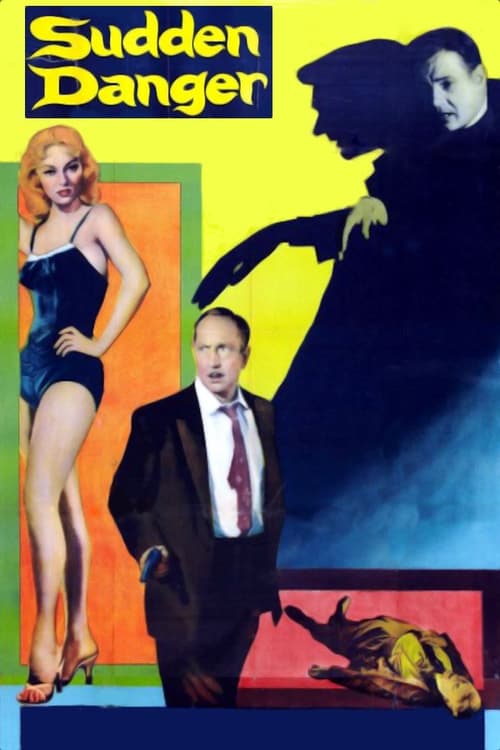
Sudden Danger
1955
No user ratings available yet
Representation score: 2.9 out of 10
Representation Score
Minimal
1957
NRDirector
Joseph Pevney
Runtime
89 minutes
Average Rating
No ratings yetNew Showbiz Analysis
This film is a traditional mid-century crime drama that reinforces conventional social structures. It centers on male-driven actions, religious authority, and established civic duties without challenging them. While the Malatesta family adds specific cultural context to the San Francisco setting, the storytelling stays within the boundaries of period-specific inclusion. The narrative structure prioritizes a male-centric procedural storyline. Ultimately, the work serves as a character study of loyalty and duty. It does not aim to disrupt or question the conventional social hierarchies of its time.
Category Breakdown
The film focuses on a traditional crime investigation involving a priest and a police officer. There is no representation of LGBTQ+ identities or critiques of straight-centered assumptions.
The male protagonist, Joe Martini, drives the plot with his actions. Female characters like Anna mainly serve as emotional support rather than taking leading roles.
The Malatesta family introduces an Italian-American identity in San Francisco. However, the film sticks to typical ethnic stereotypes from 1950s cinema.
The story highlights religious authority and civic duty through the murder of a priest. It upholds mid-century values about social order and institutional roles.
No visible or hidden disabilities are central to the character arcs or the overall narrative.
Present on Screen
Limited or Absent
Official Synopsis
Beloved priest Father Thomasino is murdered in a San Francisco alley, and the police have few clues. But traffic cop Joe Martini becomes obsessed with finding the killer; he suspects Sylvio Malatesta. Ordered off the case, Joe turns in his badge and investigates alone. Soon he is a close friend of the Malatesta family, all delightful people, especially lovely cousin Anna. Uncertain whether Sylvio is guilty or innocent, Joe is now torn between old and new loyalties.
1955
1958
1949
1948
1964

1944
1958
1948
No reviews yet. Be the first to share your thoughts on this movie!
Use the rating form above to leave a star rating and optional review.