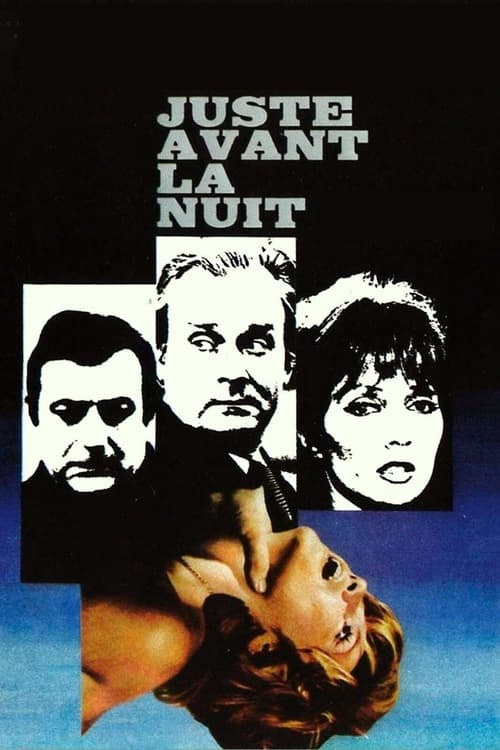
Just Before Nightfall
1971
No user ratings available yet
Representation score: 4.7 out of 10

Representation Score
Limited
1967
NRDirector
Volker Schlöndorff
Runtime
87 minutes
Average Rating
No ratings yetNew Showbiz Analysis
Degree of Murder is a film defined by its historical context and its critique of systemic issues rather than broad demographic representation. It explores moral decay within a homogeneous, white, middle-class German society during the 1930s. The film lacks representation for LGBTQ+ identities and racial minorities, reflecting the narrow social lens of its setting. However, it achieves depth through its sophisticated deconstruction of institutional integrity and the rule of law. Ultimately, the work prioritizes a profound exploration of how systemic corruption affects individual ethics in a decaying social order over demographic diversity.
Category Breakdown
The film focuses on the relationship between the female protagonist and male characters, adhering to the heterosexual norms of its 1930s setting.
The female lead drives the main conflict, but the film operates within a patriarchal structure that emphasizes traditional gender roles and male-dominated legal systems.
The cast is primarily made up of white actors, reflecting the historical makeup of the 1930s German professional class, with no significant presence of minority characters.
The film effectively critiques Western institutions and the state apparatus, portraying the legal system as corrupt and involved in the rise of totalitarianism.
There are no characters with visible or invisible disabilities used as plot devices or central figures in the film.
Present on Screen
Limited or Absent
Official Synopsis
After accidentally killing her ex-lover during a fight, Marie enlists the help of a stranger and his friend to dispose of the body while becoming intimate with both men.
1971
1969
1949

1958

1959

1948

1972

1976
No reviews yet. Be the first to share your thoughts on this movie!
Use the rating form above to leave a star rating and optional review.