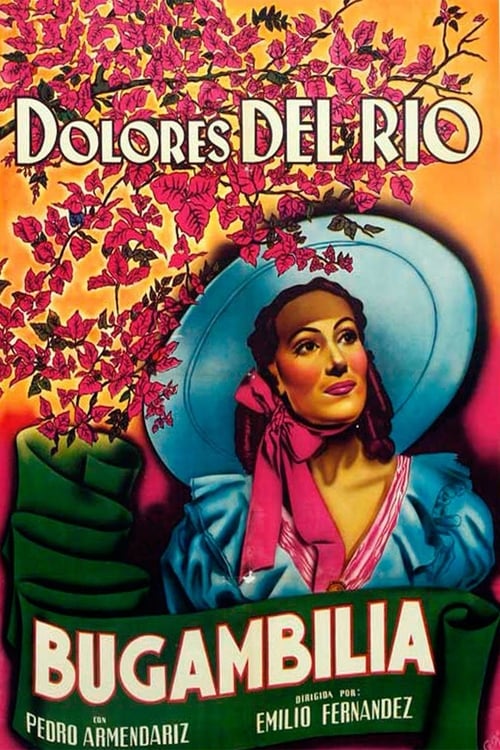
Bugambilia
1945
No user ratings available yet
Representation score: 2.1 out of 10
Representation Score
Limited
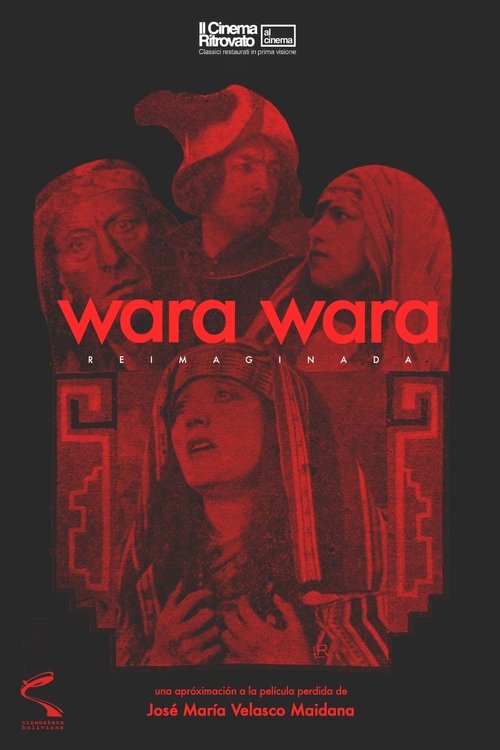
1930
Director
José María Velasco Maidana
Runtime
69 minutes
Average Rating
No ratings yetNew Showbiz Analysis
Wara Wara presents a significant historical drama that challenges conventional colonial narratives. By focusing on an indigenous protagonist, the film offers a critical perspective on the violence of European expansion. While the film adheres to traditional romantic structures and gender roles of its time, such as the rescue of a female protagonist, it shifts the moral focus to the Inca experience. The cross-cultural romance complicates the binary of oppressor and oppressed. Overall, the film provides a nuanced view that challenges Eurocentric standards by emphasizing the human cost of conquest and the destruction of indigenous social structures.
Category Breakdown
The film focuses on a traditional heterosexual relationship and does not include any representation of LGBTQ+ identities or subtext.
The story revolves around Wara Wara, who navigates the emotional weight of colonial violence. Her character arc involves being rescued and overcoming victimization.
The film highlights Inca culture by centering an indigenous protagonist, challenging the typical portrayal of European expansion and the 'heroic' conqueror.
By portraying conquistadors as sources of massacre and trauma, the film prioritizes the perspective of displaced indigenous survivors over the Spanish imperial viewpoint.
The story does not feature any characters with physical or neurodivergent disabilities.
Present on Screen
Limited or Absent
Official Synopsis
Set in the 16th century, a peaceful Inca community is massacred by a group of conquistadors, and the survivors including Wara Wara flee into the mountains. Later, Wara Wara is assaulted by two Spanish soldiers, and rescued by a conquistador with a noble heart. The two fall in love, but are confronted with the mutual hatred between their peoples. Sentenced to death, they escape, and live happily ever after.
1945

1954
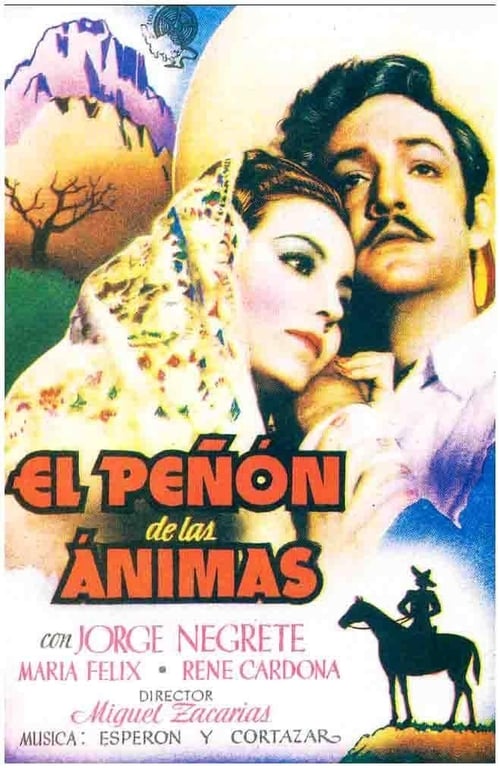
1943

1959
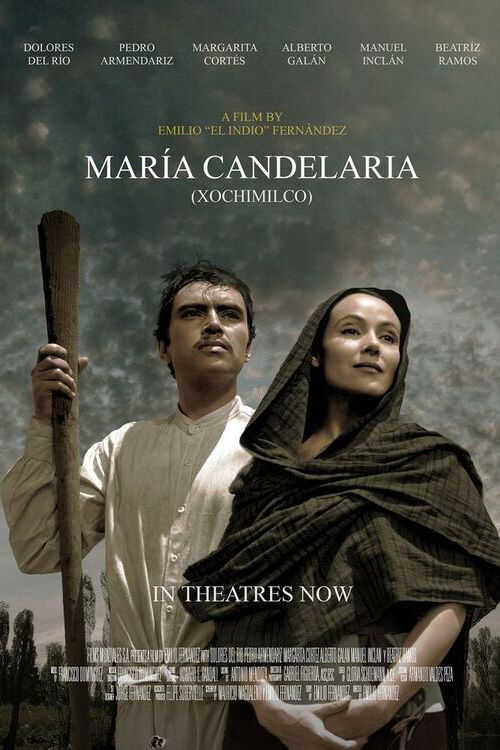
1944

1931
1976

1984
No reviews yet. Be the first to share your thoughts on this movie!
Use the rating form above to leave a star rating and optional review.