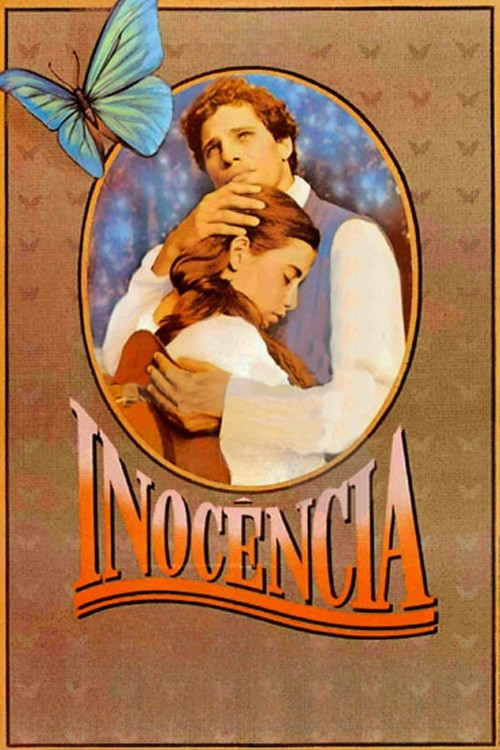
Innocence
1983
No user ratings available yet
Representation score: 3.0 out of 10

Representation Score
Fair
1984
RDirector
María Luisa Bemberg
Runtime
109 minutes
Average Rating
No ratings yetNew Showbiz Analysis
Camila is a powerful cinematic act of resistance that emphasizes personal freedom over systemic oppression. The film's greatest strength lies in its subversion of gender hierarchies, presenting a female protagonist who fights for intellectual and emotional independence against the Church and State. However, the historical context of the film restricts its demographic range. The focus on the Argentine elite results in a relatively homogeneous cast, and the narrative remains strictly heterosexual, providing limited representation for LGBTQ+ identities. Ultimately, the film excels as a thematic deconstruction of authority. It prioritizes a deep, focused critique of institutional power over broad demographic inclusivity.
Category Breakdown
The story focuses on a romantic relationship between a noblewoman and a Jesuit priest, which adheres to traditional heterosexual norms. There are no explicit representations of non-binary gender identities or queer-coded characters in the main storyline.
Camila is a strong, independent character who actively challenges the social and religious norms of 19th-century society. She drives the central plot by fighting for her own autonomy and freedom.
The cast primarily consists of individuals from a homogeneous, European-descended upper class in 1847 Argentina. While historically accurate, the film lacks ethnic diversity among the key figures.
The film criticizes the Catholic Church and the Rosas dictatorship as oppressive forces. It questions the rigid moral and political hierarchies by challenging their absolute authority.
There are no significant portrayals of physical or cognitive disabilities in the central narrative.
Present on Screen
Limited or Absent
Official Synopsis
In 1847 Buenos Aires, a young noblewoman and a young Jesuit fall in love, much to the disapproval of her family and the Church.
1983

2007
1943
2002

2004

1993
1972

1993
No reviews yet. Be the first to share your thoughts on this movie!
Use the rating form above to leave a star rating and optional review.