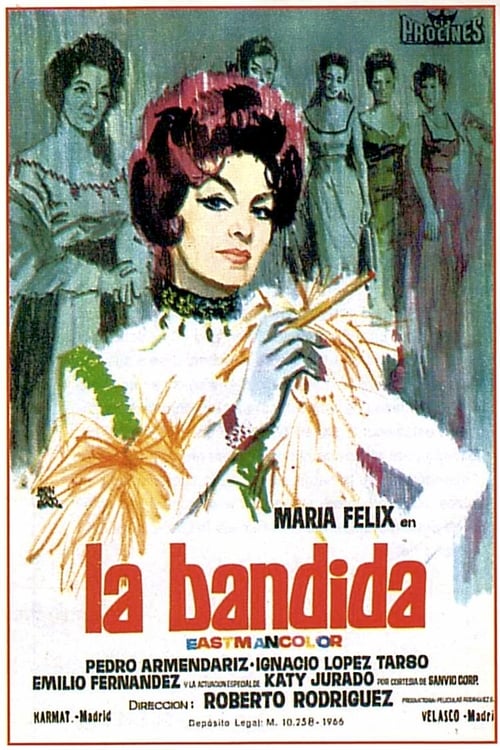
La Bandida
1963
No user ratings available yet
Representation score: 4.0 out of 10
Representation Score
Fair
1976
PGDirector
Alberto Mariscal
Runtime
115 minutes
Average Rating
No ratings yetNew Showbiz Analysis
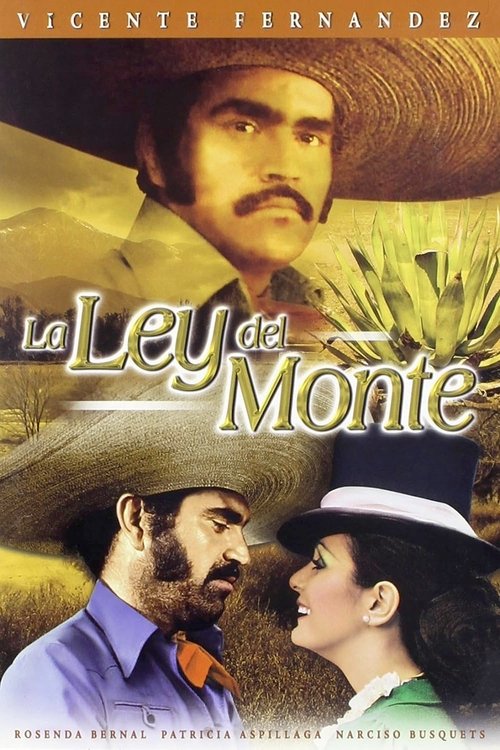
La Ley Del Monte offers a localized perspective by focusing on the Mexican experience during a time of historical change. It successfully breaks away from Anglo-centric cinema by emphasizing Latin American culture and ethnicity. However, the film adheres to the traditional genre conventions of its era. The emphasis on romance and gender roles suggests a reliance on standard gender dynamics and heterosexual relationships rather than modern explorations of diverse identities. Ultimately, the film's strength lies in its cultural specificity. It uses the chaos of the Mexican Revolution to explore human connections through a regional lens.
Category Breakdown
The film focuses on a heterosexual relationship between a male and female protagonist, without addressing non-cisgender identities or critiques of heterosexuality.
The story follows conventional romantic clichés typical of 1970s dramas. Despite the revolutionary backdrop, the focus remains on a traditional romance.
As a Mexican production, the film centers on Mexican and Mestizo actors, providing a narrative grounded in Latin American identity.
The film explores the Mexican Revolution and themes of land inequality. It blends historical realism with romanticism within the social context of the 1970s.
There is no documented evidence regarding the inclusion of characters with physical or neurodivergent disabilities.
Present on Screen
Limited or Absent
Official Synopsis
After etching their love on a stalk, a boy and girl reunite years later, reigniting their romance amidst the Mexican Revolution.
1963
2012
1947

2007
2009

1946
1945
1971
No reviews yet. Be the first to share your thoughts on this movie!
Use the rating form above to leave a star rating and optional review.