Glastonbury
2006
No user ratings available yet
Representation score: 8.0 out of 10
Representation Score
Good
1972
Not RatedDirector
Nicolas Roeg, Peter Neal
Runtime
87 minutes
Average Rating
No ratings yetNew Showbiz Analysis
Glastonbury Fayre serves as a crucial cinematic document of social transformation. It captures a lived reality that challenges the rigid hierarchies of the early 1970s, replacing traditional Western values with communal ethics. The film effectively subverts patriarchal structures and traditional masculine authority. It provides a nuanced look at counter-cultural movements by documenting a space defined by moral relativism and self-governance. While the film showcases a diverse crowd, it lacks deep, character-driven narratives for individuals of color. The focus on the collective movement often overshadows individual ability to act within specific underrepresented groups.
Category Breakdown
The film highlights an environment where gender expression varies from traditional norms. It focuses on non-traditional gender roles and the breakdown of conventional courtship rituals within the community.
The documentary challenges typical gender leadership roles by showcasing a utopian setting. It portrays a flexible social structure where traditional masculine authority is notably absent.
The festival crowd reflects a diverse mix of cultures that challenges the uniformity of British society. However, the film lacks strong, character-driven narratives for individuals of color.
The film emphasizes neo-paganism and secular spirituality over organized religion. It presents the festival as a rejection of capitalist structures and state control in favor of communal living.
There is no significant portrayal of specific disabilities. The focus remains on the collective movement rather than individual physical or neurodivergent identities.
Present on Screen
Limited or Absent
Official Synopsis
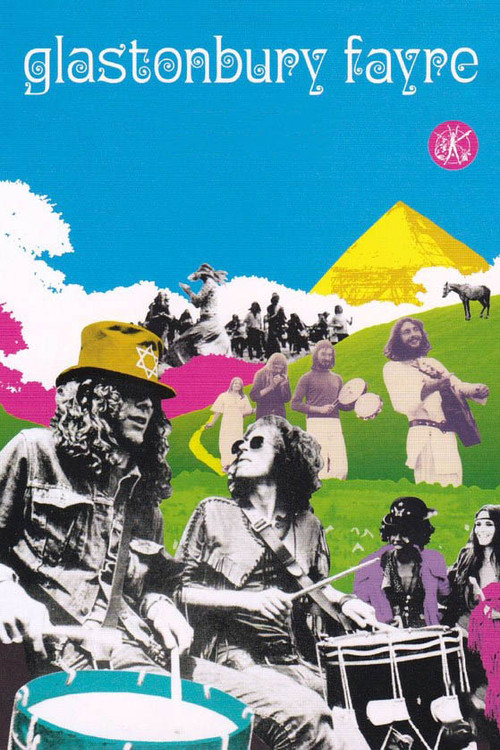
In the Summer of 1971 the Glastonbury legend was born when the organisers decided to try and create a festival that would be a forerunner for an 'alternative and utopian society'. The festival encompassed Midsummer's Day, and in true medieval tradition, the area of Worthy Farm, Pilton was given over to music, dance, poetry, theatre, spontaneous entertainment and nudity.
2006
2009
2019
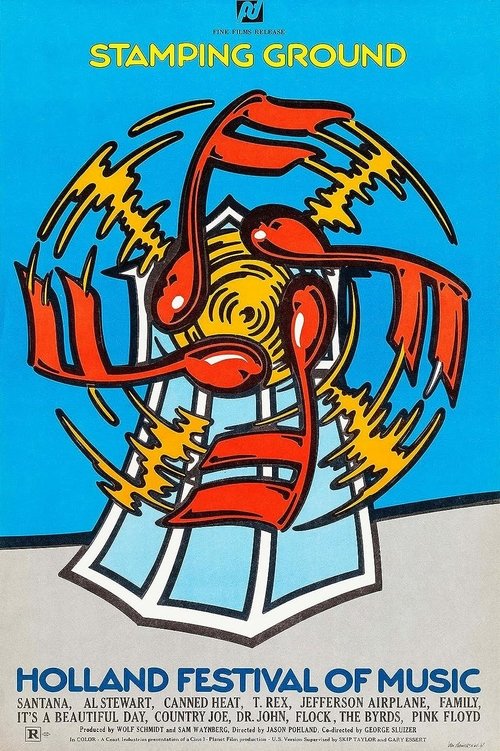
1971

1971
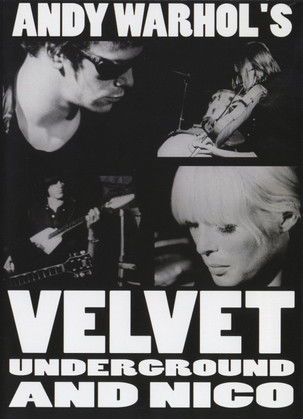
1966
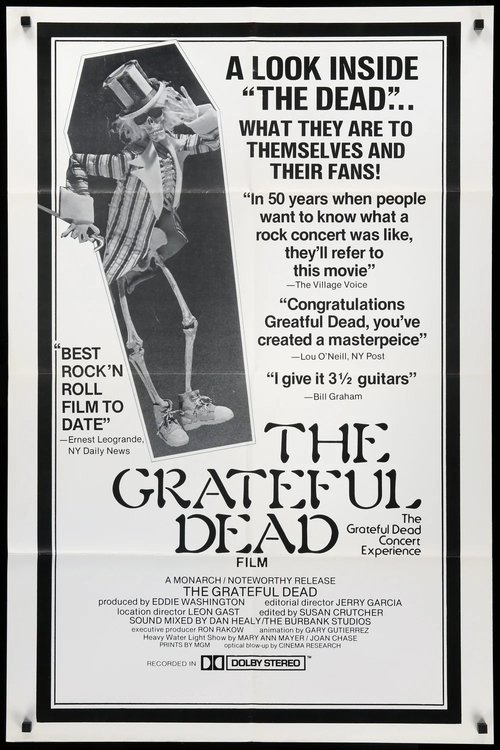
1977
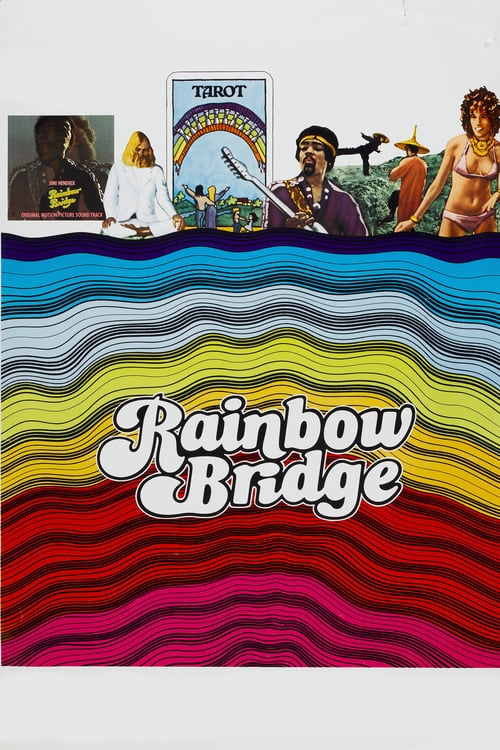
1972
No reviews yet. Be the first to share your thoughts on this movie!
Use the rating form above to leave a star rating and optional review.