The Grateful Dead Movie
1977
No user ratings available yet
Representation score: 6.7 out of 10
Representation Score
Fair
2005
Director
Peter Whitehead
Runtime
30 minutes
Average Rating
No ratings yetNew Showbiz Analysis
This documentary serves as a historical archive of a major cultural pivot point. It captures the deconstruction of traditional Western social norms and the rise of anti-establishment sentiment during the late 1960s. While the film documents a period of social liberation and shifting aesthetics, it lacks a modern focus on identity politics. The content is primarily centered on the musical performances of the Pink Floyd lineup and the specific London underground scene of the era. Ultimately, the film's value lies in its documentation of the systemic shifts in morality and authority that would later inform contemporary multi-layered discourse.
Category Breakdown
The film captures the early stages of sexual and gender fluidity within the psychedelic movement. However, it lacks explicit, documented depictions of LGBTQ+ characters driving the narrative.
The footage reflects the disruption of traditional gender roles during the Swinging Sixties. Despite this, the narrative remains centered on the traditionally male-dominated Pink Floyd lineup.
The documentary focuses on the London underground psychedelic scene of 1966–1967. It lacks evidence of significant multi-layered casting or a non-white majority within these specific art circles.
The film excels at portraying the era's departure from Western institutional norms. It highlights a period of secularism and the questioning of established authority through the counterculture.
The documentary focuses on musical performances and archival newsreel footage. There is no discernible evidence regarding the representation of physical or neurodivergent disabilities.
Present on Screen
Limited or Absent
Official Synopsis
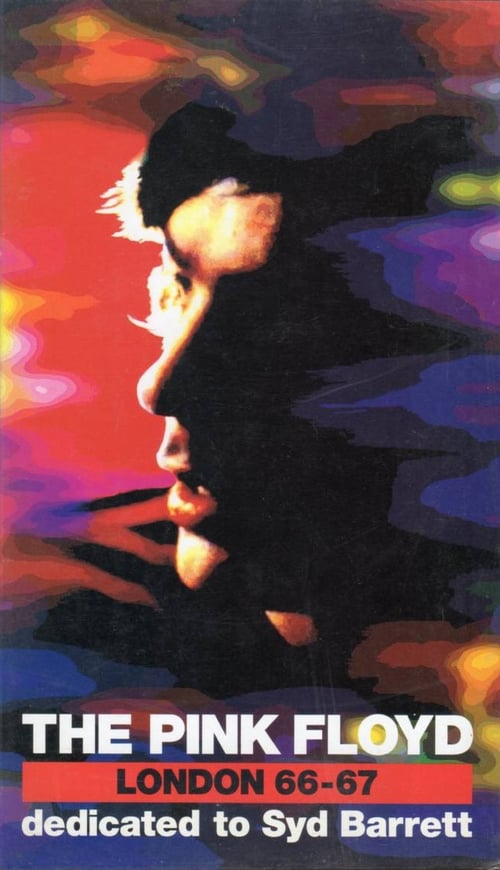
Shot by movie maestro Peter Whitehead, this film features rare full length performances from the classic late 60's Pink Floyd line-up at Sound Techniques London & material from the legendary '14 hour Technicolor Dream' extravaganza in April '67 at Alexandra Palace.
1977
2021
1966
1978
1998
2010

1999
2011
No reviews yet. Be the first to share your thoughts on this movie!
Use the rating form above to leave a star rating and optional review.