Long Strange Trip
2017
No user ratings available yet
Representation score: 7.8 out of 10
Representation Score
Excellent
2019
Not RatedDirector
Barak Goodman
Runtime
106 minutes
Average Rating
No ratings yetNew Showbiz Analysis
Barak Goodman’s documentary provides a vital historical record by focusing on a bottom-up, communal perspective. By centering the voices of participants through archival footage and testimony, the film successfully deconstructs traditional institutional histories. The film’s primary strength lies in its documentation of disrupted hierarchies. It effectively captures the intersection of race and music, showcasing how the festival served as a space where racial and gendered boundaries were actively challenged. However, the narrative lacks depth regarding specific multi-layered identities. The absence of focused representation for LGBTQ+ individuals and people with disabilities limits the scope of its social critique.
Category Breakdown
The film captures the emerging gender and sexual fluidity of the late 1960s counterculture. Though it doesn't explicitly feature queer narratives, the underlying themes reflect a period of non-straight social expression.
Female icons like Janis Joplin are highlighted as central figures in the social revolution of the time. The film portrays women as active drivers of change rather than passive observers.
The documentary showcases diverse performers such as Jimi Hendrix and Sly and the Family Stone. Archival footage highlights the negotiation of racial boundaries through communal experiences.
The narrative celebrates the dismantling of traditional social order and anti-establishment sentiments. It frames the festival as a critique of mainstream capitalist structures and the Vietnam War.
There is no significant focus on neurodivergence, physical disabilities, or chronic illness. The film prioritizes the collective experience of the crowd and performers over specific disability narratives.
Present on Screen
Limited or Absent
Official Synopsis
50 years after the legendary fest, Barak Goodman’s electric retelling of Woodstock, from the point of view of those who were on the ground, evokes the freedom, passion, community, and joy the three-day music festival created.
2017
2019
2006
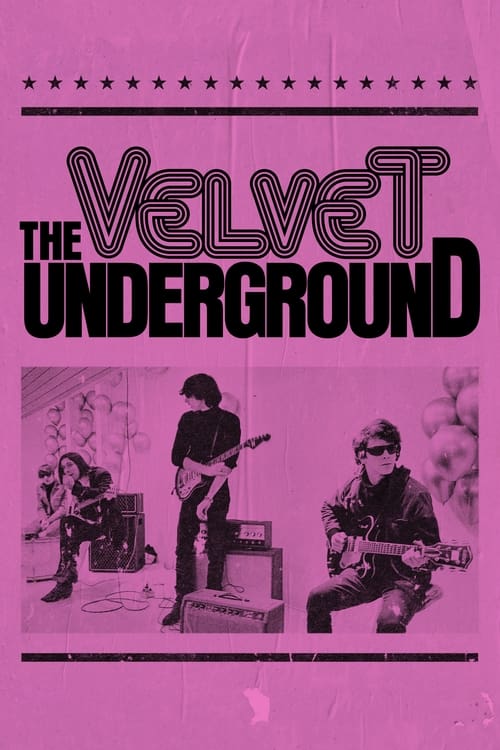
2021
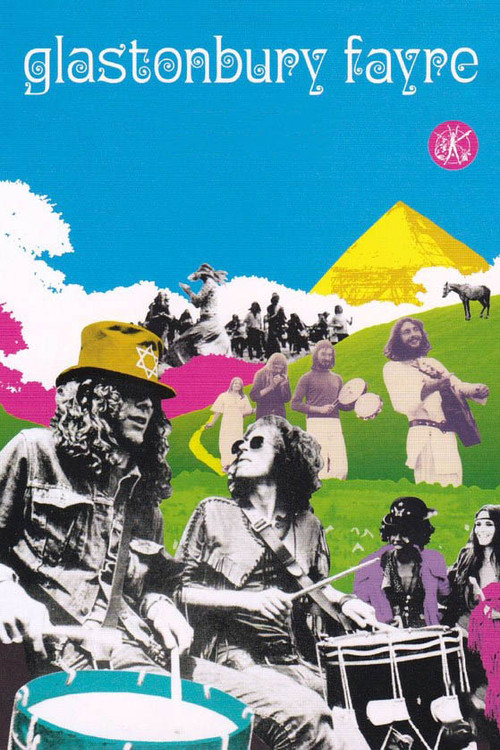
1972
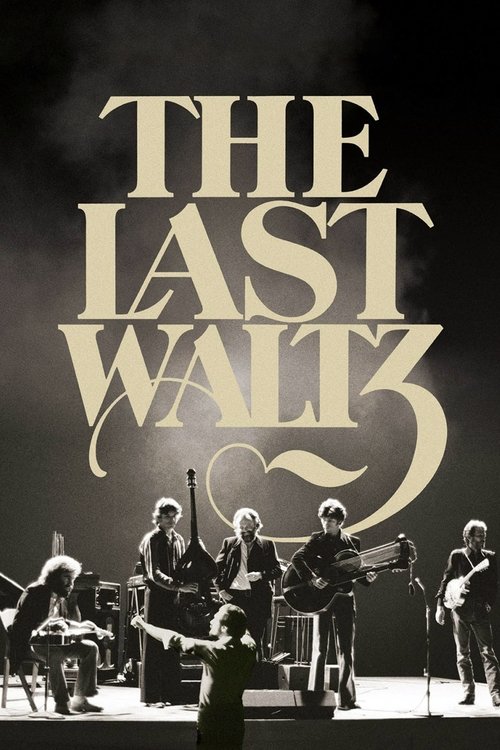
1978
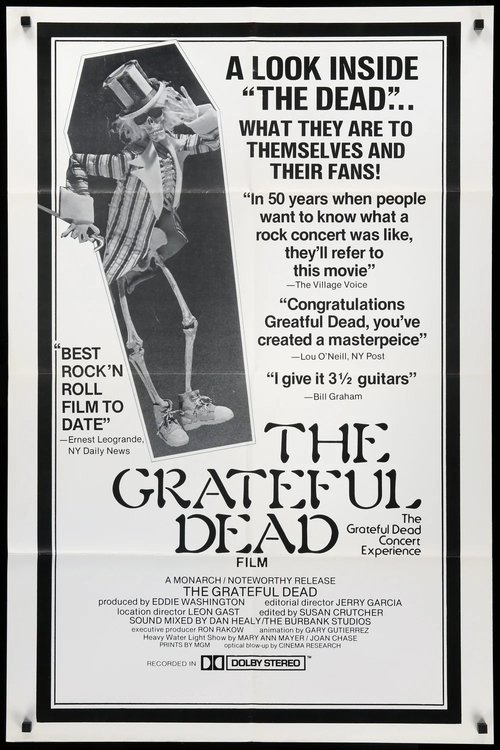
1977
2009
No reviews yet. Be the first to share your thoughts on this movie!
Use the rating form above to leave a star rating and optional review.