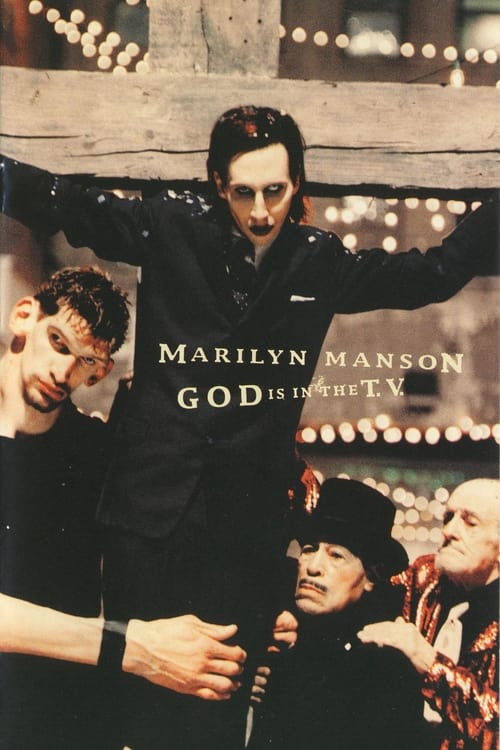
Marilyn Manson: God Is In the TV
1999
No user ratings available yet
Representation score: 8.2 out of 10
Representation Score
Fair
1998
RDirector
Joseph F. Cultice
Runtime
60 minutes
Average Rating
No ratings yetNew Showbiz Analysis
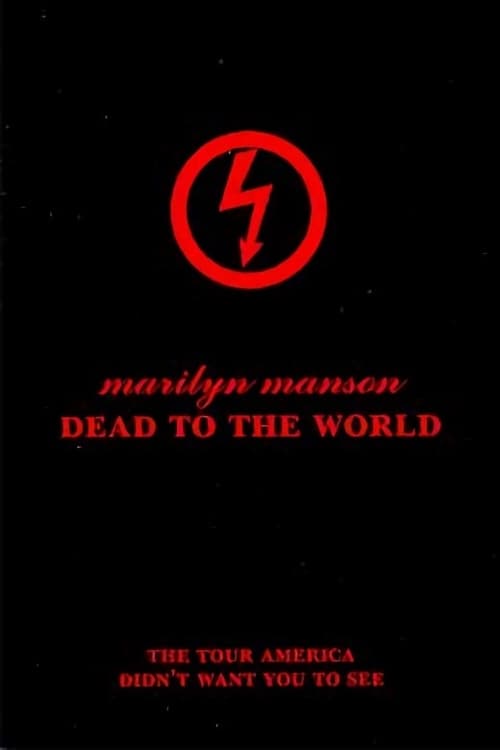
Marilyn Manson: Dead to the World explores the tension between counter-cultures. It successfully deconstructs Western cultural pillars, particularly targeting religious hegemony and traditional gender hierarchies. This subversion of social norms creates a progressive narrative structure despite its narrow demographic focus. However, the film is limited by its homogeneity. The narrative centers on a specific Western subcultural conflict, resulting in a lack of racial and ethnic diversity. The story remains focused on the band's internal dynamics and their immediate social detractors. Ultimately, the film's strength lies in its defiance of social norms. It prioritizes a deep, focused critique of political and religious institutions over broad demographic representation.
Category Breakdown
The film uses gender-blurring visuals and androgynous styles to challenge traditional gender boundaries. Although it doesn't feature specific LGBTQ+ character stories, the use of gender-fluid imagery breaks down typical gender binaries.
The documentary disrupts traditional gender hierarchies by highlighting a performance style that dismantles masculine dominance. It redefines the rock star archetype through a lens of fluidity and performance.
The narrative lacks significant racial or ethnic diversity, focusing instead on specific Western subcultural conflicts. The main subjects appear largely homogeneous within the late-90s industrial music scene.
The film effectively critiques traditional Western institutions and organized religion. It portrays religious moralism as a reactionary force and a form of systemic oppression against individuals.
The documentary provides no evidence regarding the inclusion or portrayal of characters with physical or neurodivergent disabilities.
Present on Screen
Limited or Absent
Official Synopsis
The controversial events from the Antichrist Superstar tour serve as the backdrop for this amazing document, all as seen through the video eye of the band's own cameraman. The picketing zealots, the fulminating moralists, the disingenuous politicians, the tens of thousands who came to see for themselves and, of course, gazing outward from the very heart of the storm, Manson himself. One hour of live concert performances intercut with behind the scene and backstage footage that will help you to understand what it must have been like to be at the center of these extraordinary occurrences.
1999
2019
1999
1993
2009
2012
2014

2003
No reviews yet. Be the first to share your thoughts on this movie!
Use the rating form above to leave a star rating and optional review.