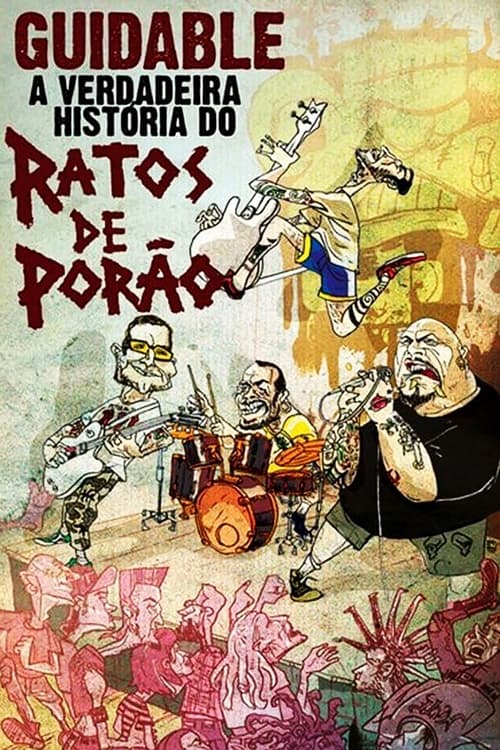
Guidable: The Real History of Ratos de Porão
2008
No user ratings available yet
Representation score: 5.2 out of 10
Representation Score
Good
2012
Director
Walter Carvalho
Runtime
120 minutes
Average Rating
No ratings yetNew Showbiz Analysis
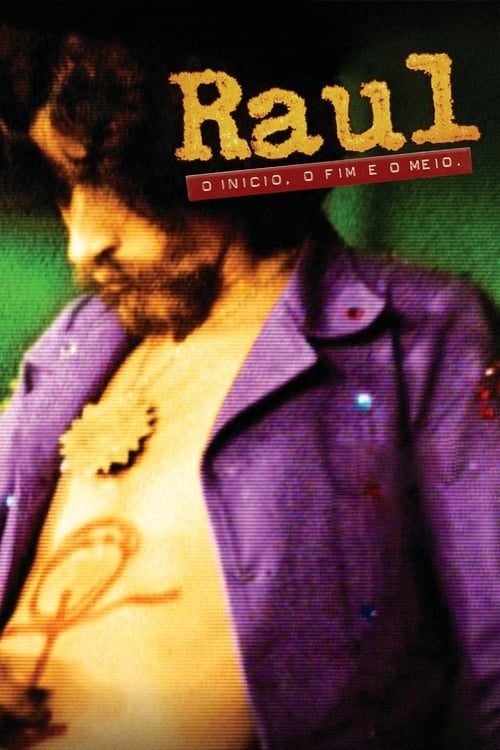
Walter Carvalho’s documentary serves as a study of systemic disruption, focusing on a figure who lived outside traditional capitalist and religious bounds. It succeeds in documenting a non-Western musical evolution that challenges Northern Hemisphere pop culture dominance. The film's strength lies in its portrayal of the counterculture as a vital social force. By centering on the resistance to a military dictatorship, it provides a nuanced look at social liberation. However, the film lacks explicit detail regarding specific identity-based representations. While it touches on social shifts, it does not provide clear evidence of gendered ability to act or specific LGBTQ+ visibility.
Category Breakdown
The film delves into the 1970s counterculture and themes of free love, which challenge the assumption that everyone is straight or cisgender. However, specific LGBTQ+ identities are not explicitly detailed.
The narrative focuses on social liberation during the military dictatorship, disrupting patriarchal hierarchies. However, the film does not provide specific evidence regarding women's ability to drive the story or the subversion of gender roles.
Raul Seixas’s Bahian roots provide a strong foundation for Afro-Brazilian cultural identity. This focus helps shift the rock narrative away from purely Anglo-centric musical models.
The documentary celebrates anti-authoritarianism and resistance to religious dogma. It portrays a life lived through black magic and countercultural movements that challenge Western institutional stability.
There is no specific evidence regarding the portrayal of physical or neurodivergent disabilities in this documentary.
Present on Screen
Limited or Absent
Official Synopsis
As the world boiled in the rush of Easy Rider bikes, in the frenetic pace of Elvis Presley, in Beatniks poets, in the explosion of counterculture, a boy from Bahia gave birth to Rock in Brazil. A runaway flying saucer that abducted the hearts and minds of thousands of fans, Raul Seixas, a man who became a myth. Raul died young because he lived intensely. Rock n 'roll, free love, alternative society, drugs, black magic, military dictatorship, women and daughters. A man who wanted to live from his work and died for it. The beginning, the end and the middle are confused, because the story is not over. The film reveals through rare images of archive, meeting with relatives, conversations with artists, producers and friends, the trajectory of the legend of Rock.
2008
2004
2007
2010
2020
2010

2017
2005
No reviews yet. Be the first to share your thoughts on this movie!
Use the rating form above to leave a star rating and optional review.