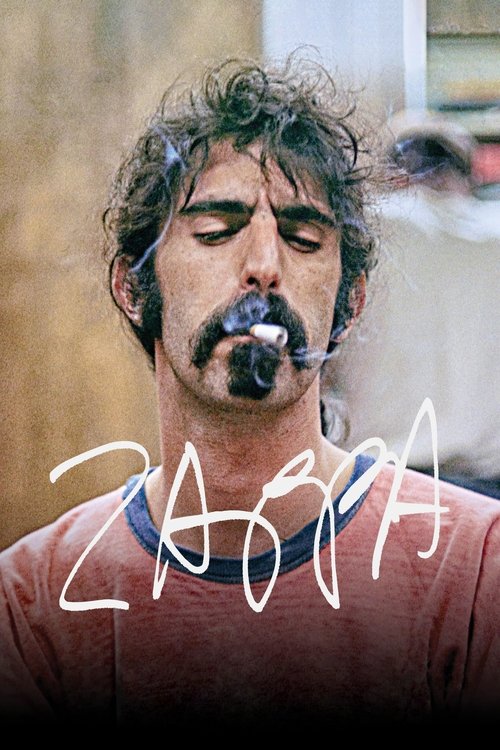
Zappa
2020
No user ratings available yet
Representation score: 7.8 out of 10
Representation Score
Fair
2014
Director
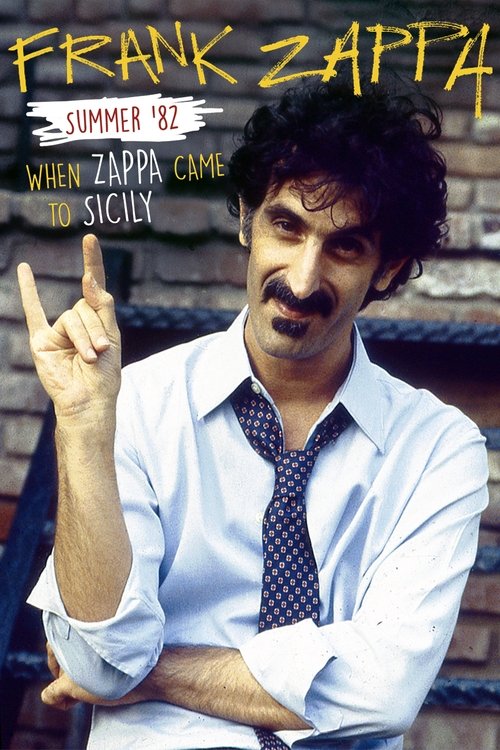
Salvo Cuccia
Runtime
81 minutes
Average Rating
No ratings yetNew Showbiz Analysis
The documentary serves as a historical record of a countercultural era. It emphasizes documenting systemic conflicts and celebrating an artist who challenged Western institutional norms. While the film lacks prominent representation of underrepresented identities, it aims to disrupt conventional social stability. Its strength lies in its thematic exploration of social hypocrisy and the dismantling of established social orders, rather than explicit demographic diversity.
Category Breakdown
The film touches on subcultures around Zappa’s music, which have ties to queer identities. However, it does not explicitly depict LGBTQ+ character stories or intimate relationships.
The story focuses on male-dominated areas such as rock music and tour management. It centers on band members and male biographers without showing significant female involvement in the main storyline.
The documentary uses a global perspective, connecting American musical influence with a Sicilian backdrop. This disrupts uniform Western narratives by highlighting a blend of American and Mediterranean cultures.
The film looks at the conflict between personal expression and state control. It highlights the tension between counterculture movements and traditional institutions through Zappa's legacy.
There is no indication that neurodivergence, physical disabilities, or mental health issues play a central role in the story or serve as major plot devices.
Present on Screen
Limited or Absent
Official Synopsis
In the feature documentary, Summer 82 – When Zappa Came to Sicily, filmmaker and Zappa fan Salvo Cuccia tells the behind-the-scenes story of Frank Zappa's star-crossed concert in Palermo, Sicily, the wrap-up to a European tour that ended in public disturbances and police intervention. Cuccia had a ticket to the concert but never made it. Thirty years later, collaborating with Zappa's family, he re-creates the events through a combination of rare concert and backstage footage; photographs; anecdotes from family, band members, and concertgoers; and insights from Zappa biographer and friend Massimo Bassoli. The story is also a personal one, as Cuccia interweaves the story of Zappa's trip to Sicily with his own memories from that summer.
2020
2017
2016
2021
2017
2010
2004
2014
No reviews yet. Be the first to share your thoughts on this movie!
Use the rating form above to leave a star rating and optional review.