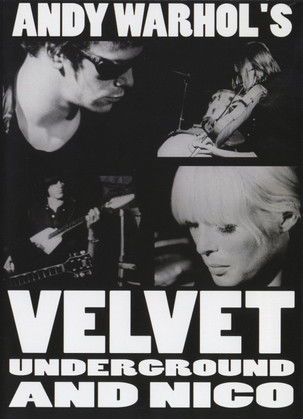
The Velvet Underground and Nico: A Symphony of Sound
1966
No user ratings available yet
Diversity score: 7.4 out of 10
1971
RDirector
Hansjürgen Pohland, George Sluizer
Runtime
96 minutes
Average Rating
No ratings yetSynopsis
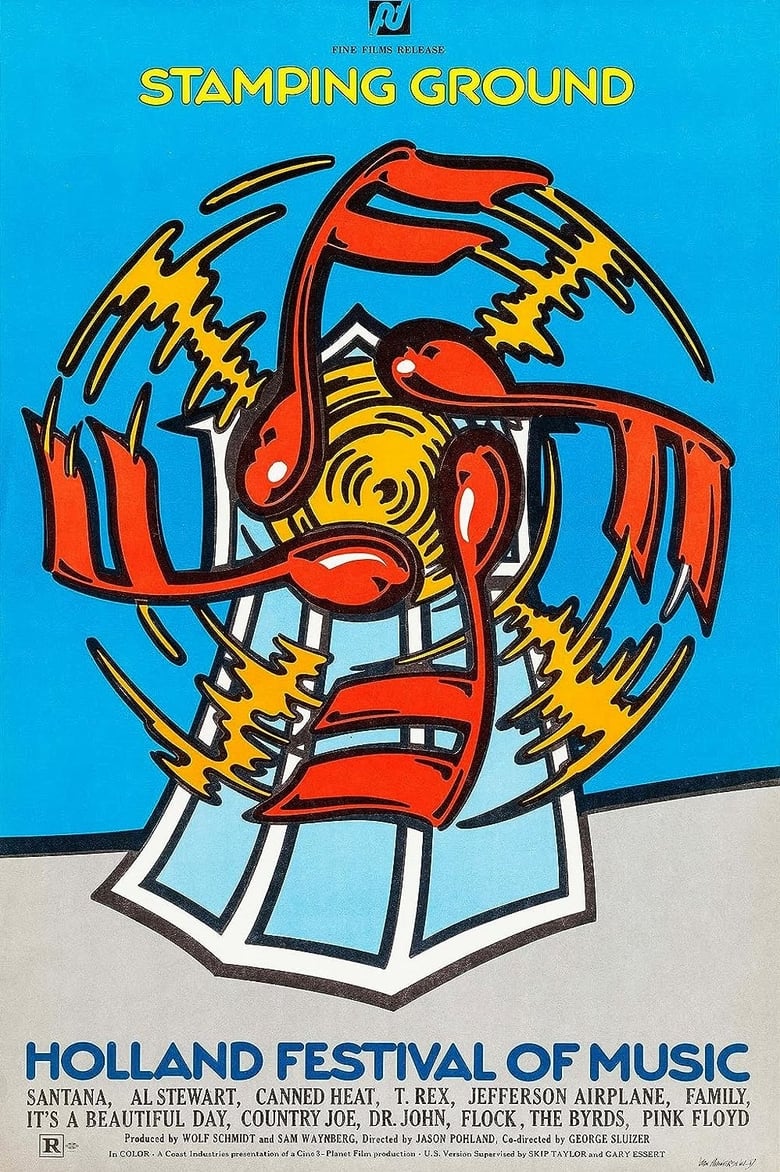
Documentary of a 1970 rock concert held in Rotterdam, The Netherlands.
Overall Score
Fair
Category Breakdown
LGBTQ+ Representation
The film explores the early 1970s 'free love' ethos through fluid sexual dynamics. It challenges heteronormative constraints by emphasizing non-traditional encounters and rejecting rigid courtship rituals.
Gender Representation
Gendered hierarchies are subverted by presenting sexual dynamics as transactional and nihilistic. The narrative avoids traditional masculine leadership or submissive femininity, opting for a landscape of ambiguity.
Racial & Ethnic Diversity
The focus remains on a specific counter-cultural subset of the Western world. The cast features European and American drifters without significant evidence of a non-Anglo-Saxon majority.
Religious & Cultural Diversity
The film critiques Western stability and the 'American Dream' through moral relativism. It frames the drifter lifestyle as a rejection of oppressive systemic structures and capitalist cohesion.
Disability Representation
There is no evidence that disability serves as a central theme. Characters with disabilities are not utilized as plot devices within the film.
Strengths
Areas for Improvement
AI Analysis
Stamping Ground functions as a postmodernist critique of Western institutions, specifically targeting the nuclear family and social responsibility. It replaces traditional morality with a framework of transient identity and existential liberation. The film excels at deconstructing capitalist stability and presenting non-normative social behaviors as subversive. It avoids moralizing, instead embracing the anti-establishment spirit of the era. However, the work is limited by its narrow demographic focus. The narrative remains centered on a specific Western counter-culture, lacking significant racial diversity or representation of non-Anglo-Saxon identities.
1966
1972

1998
2017
2005

1977
2001
2006

2014
2013

1968
1986
No reviews yet. Be the first to share your thoughts on this movie!
Use the rating form above to leave a star rating and optional review.