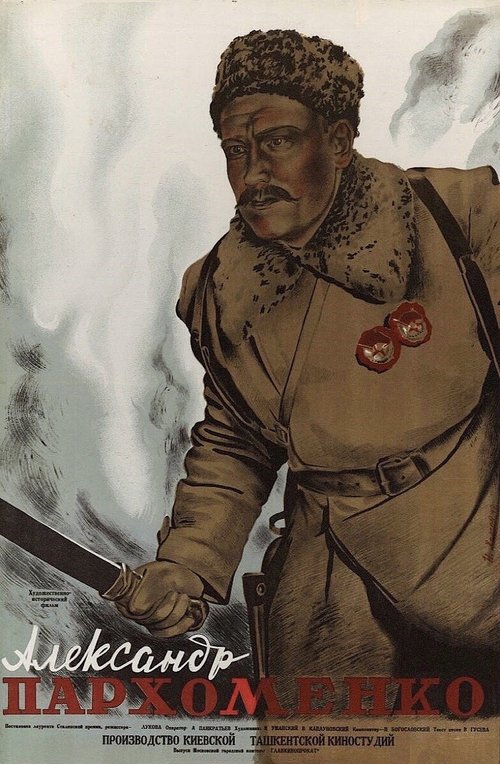
Aleksandr Parkhomenko
1942
No user ratings available yet
Representation score: 3.4 out of 10
Representation Score
Limited
1958
Director
Leonid Lukov
Runtime
115 minutes
Average Rating
No ratings yetNew Showbiz Analysis
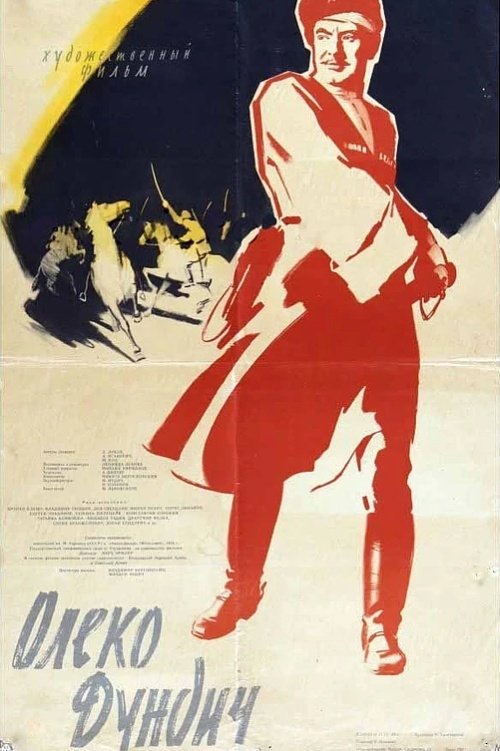
Aleksa Dundic is a historical war drama that prioritizes ideological and class-based narratives over modern identity politics. While it successfully portrays transnational ethnic solidarity and anti-establishment themes, providing a progressive framework, it remains limited by the social norms of 1958 Soviet cinema. The film lacks representation for LGBTQ+ identities and maintains a strong focus on traditional masculine roles, offering little ability to act to female characters.
Category Breakdown
The film does not include any LGBTQ+ characters or stories that go beyond the assumption that everyone is straight or cisgender. It focuses on traditional mid-20th-century social structures centered around military brotherhood and nationalistic struggle.
Male characters play a dominant role, reinforcing traditional masculine roles such as soldiers and revolutionary leaders. Female characters are mostly portrayed as supportive figures or victims of conflict, with limited control over their own lives.
The film showcases ethnic complexity by connecting Serbian and Russian identities. It depicts a transnational movement of people, challenging the idea of a single, unified national identity.
The story highlights anti-imperialist and anti-capitalist ideas by breaking down traditional hierarchies. It focuses on systemic change and the pursuit of a new, collective social order.
There is no indication of neurodivergence or permanent disability being used as a central part of a character's journey. The film does not explore disability as a means for characters to take control of their lives.
Present on Screen
Limited or Absent
Official Synopsis
Life and times of Aleksa Dundic, a volunteer in the Serb army during WW1, who later became a legend by fighting for the Red Army in the Russian Civil War.
1942

1959
1954

2008
1979
1967

1932

1970
No reviews yet. Be the first to share your thoughts on this movie!
Use the rating form above to leave a star rating and optional review.