
The Star
2002
No user ratings available yet
Representation score: 1.0 out of 10
Representation Score
Limited
1972
Director
Gavriil Egiazarov
Runtime
105 minutes
Average Rating
No ratings yetNew Showbiz Analysis
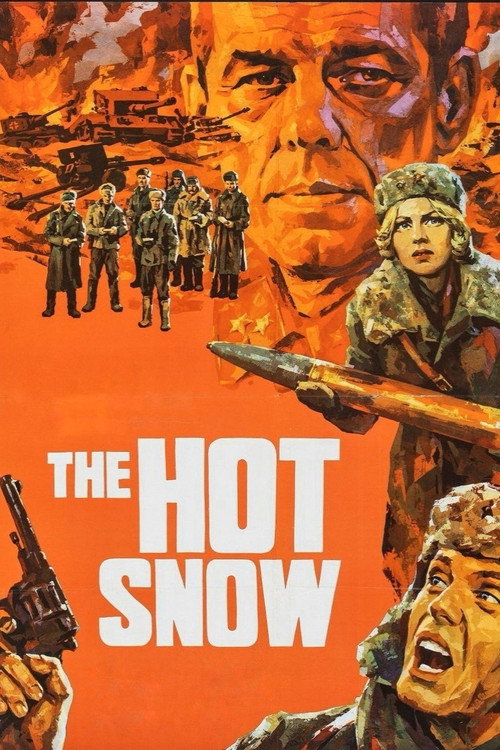
The Hot Snow is a traditional historical war drama that prioritizes collective struggle and national survival over individual identity. Its narrative structure reflects the established social and cinematic paradigms of the 1970s Soviet era. Because the film focuses on the visceral realities of the Siege of Stalingrad, the characterizations are driven by military duty and the immediate necessity of combat. This results in a narrow focus on homogeneous military units and traditional hierarchies. Ultimately, the film lacks the multi-layered complexity found in modern cinema, functioning instead as a gritty, non-romanticized depiction of state-mandated warfare and historical conflict.
Category Breakdown
The film does not include any LGBTQ+ characters or stories. It follows the strict social and cinematic norms of 1972 Soviet war cinema.
The story centers around military hierarchies and artillery soldiers. While women have appeared in Soviet war films, this film focuses on masculine combat leadership.
The story depicts the Eastern Front, focusing on Soviet defenders. The cast appears ethnically homogeneous, reflecting the specific national identity of the period's military forces.
The film is grounded in Soviet collectivist and patriotic frameworks. It emphasizes national survival and extreme sacrifice rather than exploring diverse cultural or religious perspectives.
There is no information regarding the portrayal of physical or neurodivergent disabilities. Injuries serve primarily as drivers of mortality within the war drama.
Present on Screen
Limited or Absent
Official Synopsis
In November, 1942, near the Volga, Stanlingrad is under siege of Commander Friederich Paulus and his 330,000 men. The Russian high command unleashes an operation to protect the Mishkova River to avoid that about four hundred tanks join Paulus' army. The Soviet artillery soldiers protect their position with their lives in a bloodshed with few survivors.
2002
1959
1974
1961
2019
1988

1957

2020
No reviews yet. Be the first to share your thoughts on this movie!
Use the rating form above to leave a star rating and optional review.