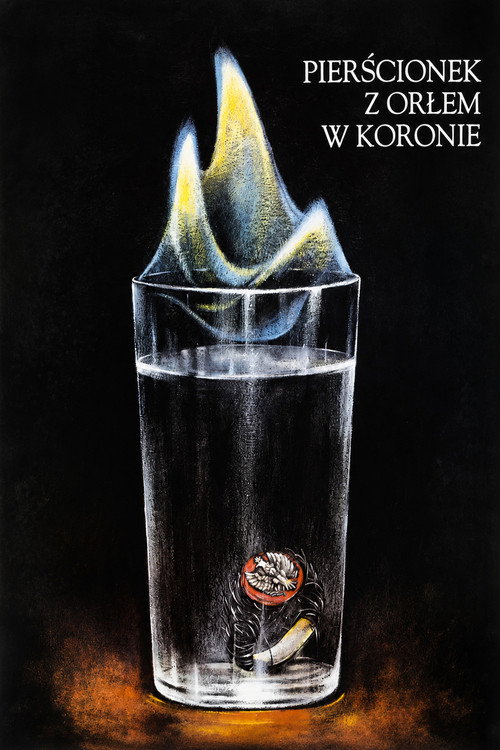
The Ring with a Crowned Eagle
1992
No user ratings available yet
Representation score: 3.5 out of 10
Representation Score
Minimal
1961
Director
Ewa Petelska, Czesław Petelski
Runtime
103 minutes
Average Rating
No ratings yetNew Showbiz Analysis
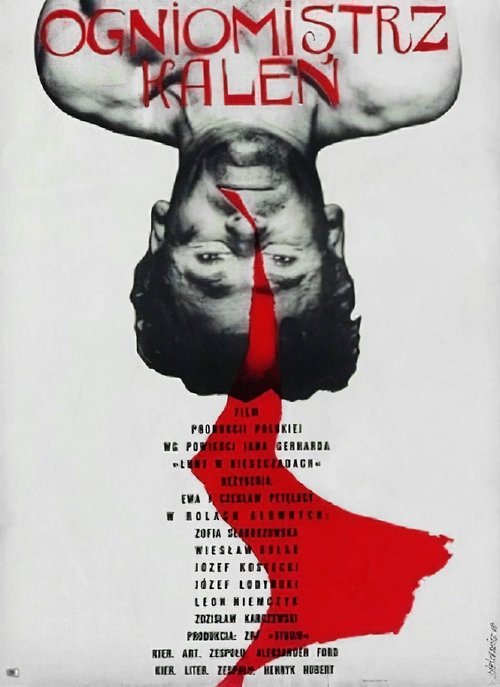
The film is a period-specific war drama centered on the political and ethnic turmoil of post-WWII Poland. It focuses on historical and ideological conflict rather than modern social representation. While the narrative explores the complex interactions between Polish and Ukrainian identities, it adheres to traditional hierarchies prevalent in 1960s Eastern European cinema. It does not challenge conventional gender norms or include diverse social identities. Ultimately, the film serves as a study of national struggle and political instability rather than a platform for multi-layered diversity.
Category Breakdown
The film does not depict any non-straight or non-cisgender identities. Same-sex relationships or intimacy are not shown. Social dynamics follow traditional heterosexual norms typical of the mid-century era.
Male characters hold most of the narrative ability to act within military hierarchies. Women appear in civilian roles but have limited influence. The film emphasizes traditional masculine leadership common in war dramas.
The story highlights violent ethnic tensions between Polish and Ukrainian factions. Phenotypes are generally similar, but the film disrupts a singular national identity through these conflicts.
The film depicts the chaos of shifting political allegiances among communist, anti-communist, and fascist factions. This provides insight into the instability of traditional institutions during wartime.
There is no documented evidence regarding the portrayal of visible or invisible disabilities within the film.
Present on Screen
Limited or Absent
Official Synopsis
The movie is about the fate of Polish soldier named Kaleń who fought with UPA in 1946.The film recounts the exploits of the Polish soldier caught in the turmoil among the Polish Communist army, anti-communist underground and Ukrainian fascists.
1992
1957
1968
1977
1958
1959
1967
1982
No reviews yet. Be the first to share your thoughts on this movie!
Use the rating form above to leave a star rating and optional review.