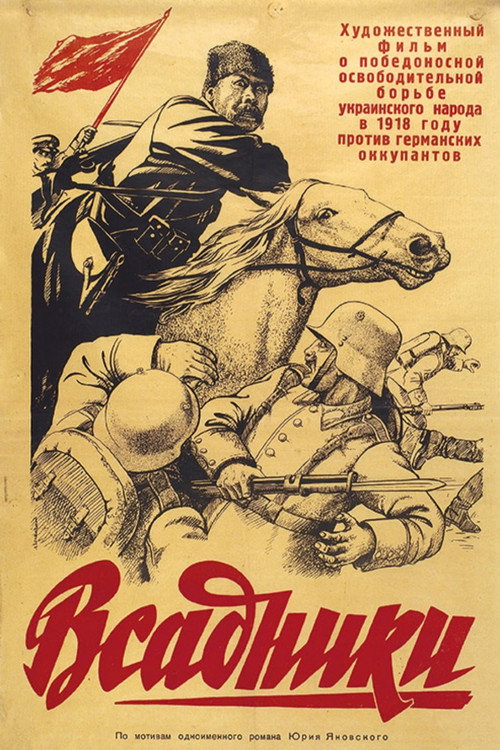
Guerrilla Brigade
1939
No user ratings available yet
Representation score: 3.7 out of 10
Representation Score
Limited
1942
Director
Leonid Lukov
Runtime
107 minutes
Average Rating
No ratings yetNew Showbiz Analysis
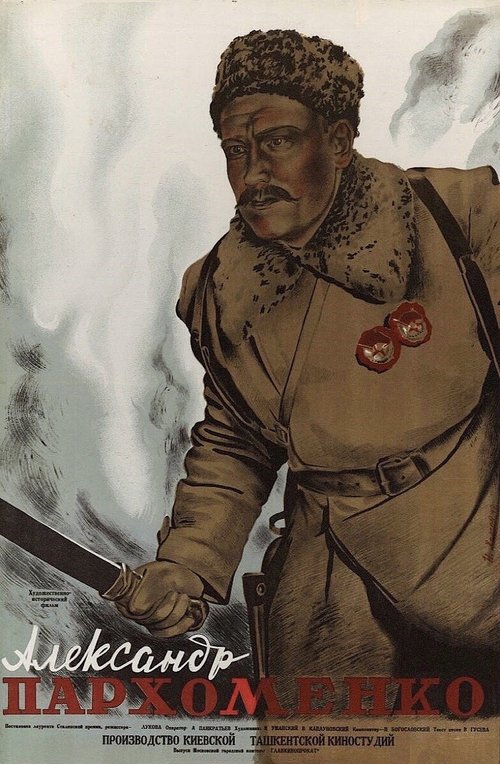
Aleksandr Parkhomenko is a product of mid-century ideological cinema, designed to reinforce national identity through revolutionary mythos. It serves as a tool for promoting collective ideology rather than exploring individual identity. The film effectively challenges Western institutional norms, making it strong in cultural representation despite limited demographic diversity. However, it lacks modern representation of gender, disability, or LGBTQ+ identities, maintaining a strictly masculine, class-focused narrative typical of 1942 Soviet cinema.
Category Breakdown
The film follows the strict social structures of 1942 Soviet cinema and does not include any LGBTQ+ characters or stories.
The story focuses on masculine heroism and military leadership, where men take on combat roles and lead stoically.
The film portrays a multi-ethnic revolutionary front involving Ukrainian territories, emphasizing class struggle rather than modern ethnic identity.
The film highlights collective revolutionary morality over religious ethics, positioning Western-aligned institutions as oppressive forces to promote a new proletarian society.
The film does not depict any characters with physical or neurodivergent disabilities, focusing instead on their capacity for combat and physical labor.
Present on Screen
Limited or Absent
Official Synopsis
About the life and heroic death of the old Bolshevik-Lugansk resident, participant in the civil war, Aleksandr Yakovlevich Parkhomenko. In 1918, capturing Ukraine, the German occupiers sought to use the Haidamaks, the White Guards and the Greens in their struggle. By order of Voroshilov, Aleksandr Parkhomenko from Lugansk arrives in Tsaritsyn. At the same time, the Germans launched an active offensive. The "red" battalions are poorly armed, however, Parkhomenko manages to raise them to the attack and put the enemy to flight.
1939
1959
1947
2010
1958
1974

1955
2021
No reviews yet. Be the first to share your thoughts on this movie!
Use the rating form above to leave a star rating and optional review.