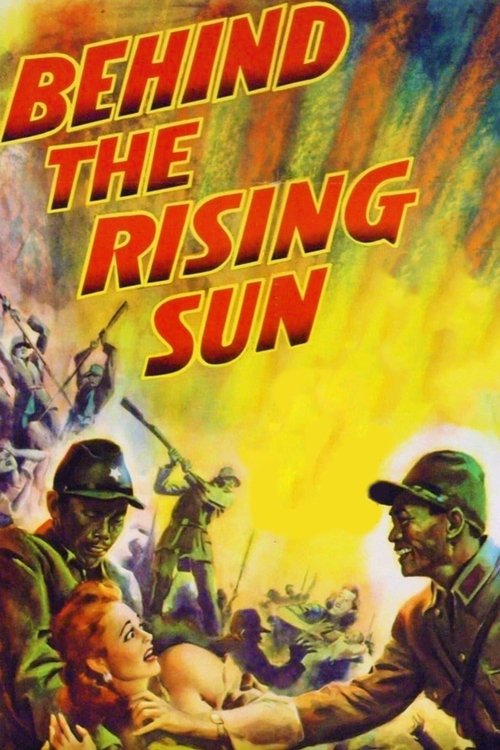
Behind the Rising Sun
1943
No user ratings available yet
Representation score: 1.3 out of 10

Representation Score
Minimal
1928
NRDirector
John Ford
Runtime
96 minutes
Average Rating
No ratings yetNew Showbiz Analysis
John Ford's silent era drama functions as a traditional family saga set during World War I. The narrative structure reinforces early 20th-century social hierarchies and cultural norms without challenging them. The film lacks complexity in representing diverse identities, focusing on a specific Bavarian ethnic context. It prioritizes masculine leadership and domestic stability over varied perspectives. Overall, the work serves as a historical artifact reflecting the time period, operating within a homogeneous and traditional framework.
Category Breakdown
The film does not include any representation of LGBTQ+ identities. Character arcs focus solely on traditional romantic relationships and family duties.
Female characters act as emotional supports but have little control over the events of the story. Male characters drive the plot, reinforcing traditional patriarchal structures.
The cast is predominantly of a specific Bavarian ethnicity, with no evidence of diverse racial or ethnic backgrounds.
The film emphasizes traditional Western values centered around national duty and family sanctity. It reinforces conventional views on patriotism and family unity.
There are no visible or invisible disabilities portrayed. Characters are shown within typical standards of physical ability without addressing disability themes.
Present on Screen
Limited or Absent
Official Synopsis
A family saga in which three of a Bavarian widow's sons go to war for Germany and the fourth goes to America, Germany's eventual opponent. Preserved by the Academy Film Archive in partnership with L'Imaginne Ritrovato and Twentieth Century Fox Film Corporation in 1999.
1943

1925
1955
2015

1914
1968

1933

1933
No reviews yet. Be the first to share your thoughts on this movie!
Use the rating form above to leave a star rating and optional review.