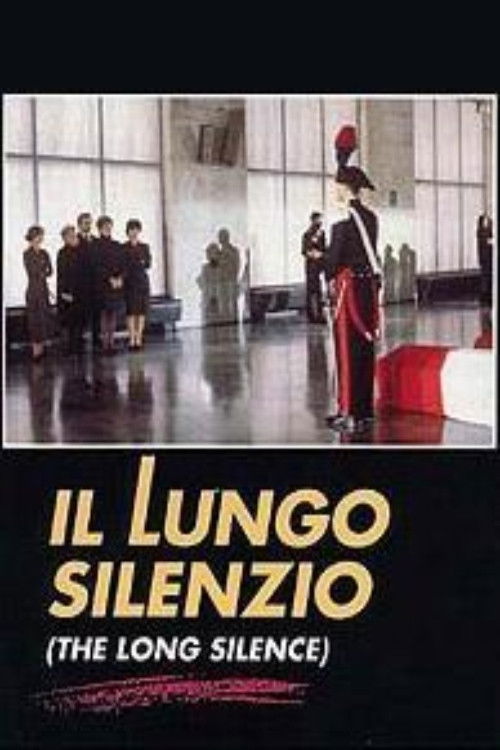
The Long Silence
1993
No user ratings available yet
Representation score: 5.9 out of 10
Representation Score
Good
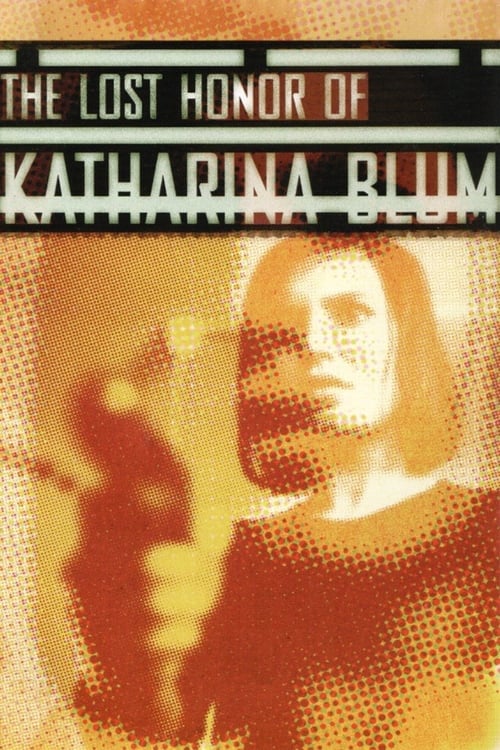
1975
RDirector
Volker Schlöndorff, Margarethe von Trotta
Runtime
104 minutes
Average Rating
No ratings yetNew Showbiz Analysis
The film stands out in its sophisticated critique of gendered power dynamics and its challenge to institutional oppression. It uses the protagonist's journey to highlight the predatory nature of capitalist media and state authority. However, the film lacks demographic diversity. There is no representation of LGBTQ+ identities, racial diversity, or disabilities, which limits its overall inclusivity. Ultimately, the film's strength lies in its intellectual engagement with systemic corruption rather than a diverse cast of characters.
Category Breakdown
The film does not include any LGBTQ+ characters or non-straight identities. It focuses on the heterosexual social structures of 1970s West Germany.
The story centers around a woman's ability to drive the plot and her sexual autonomy against male-dominated institutions. It breaks down how female identity is often seen negatively to challenge traditional stereotypes.
The film lacks significant racial or ethnic diversity in its main cast. It serves as a localized critique of West German society.
The story criticizes Western institutions such as capitalism and state law enforcement. It depicts the press as a predatory entity prioritizing profit over rights.
There is no prominent or meaningful representation of physical or neurological disabilities. Character struggles are mainly sociopolitical and psychological.
Present on Screen
Limited or Absent
Official Synopsis
After a chance encounter with a wanted man, a woman is harassed by the police and press until she takes violent action.
1993
1970
1974
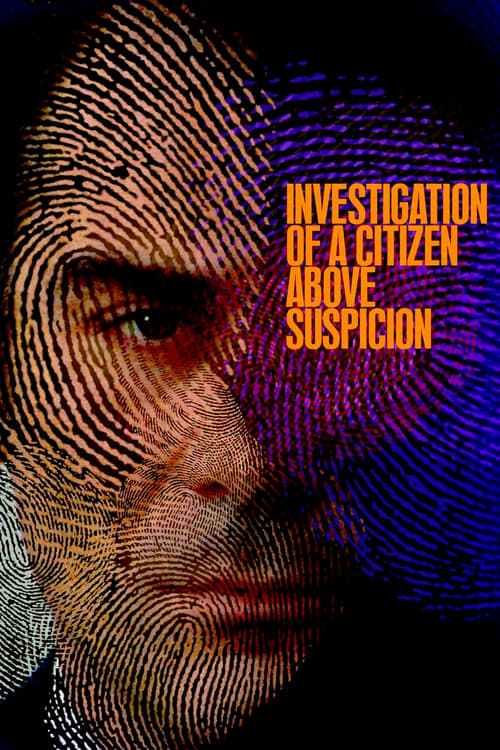
1970
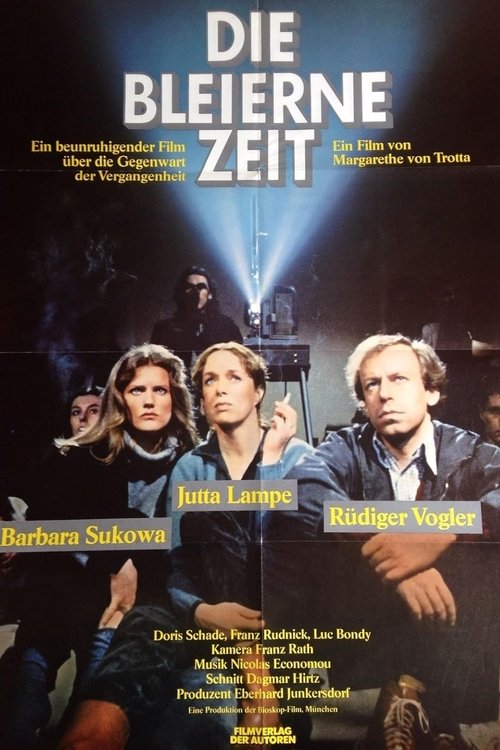
1981

1986
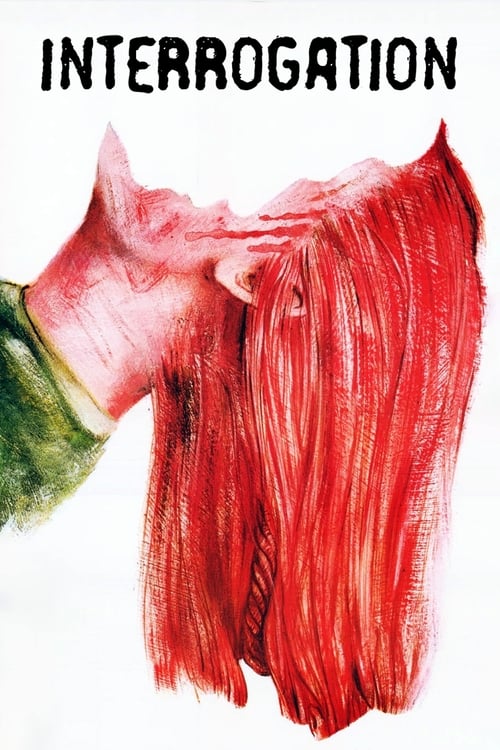
1989
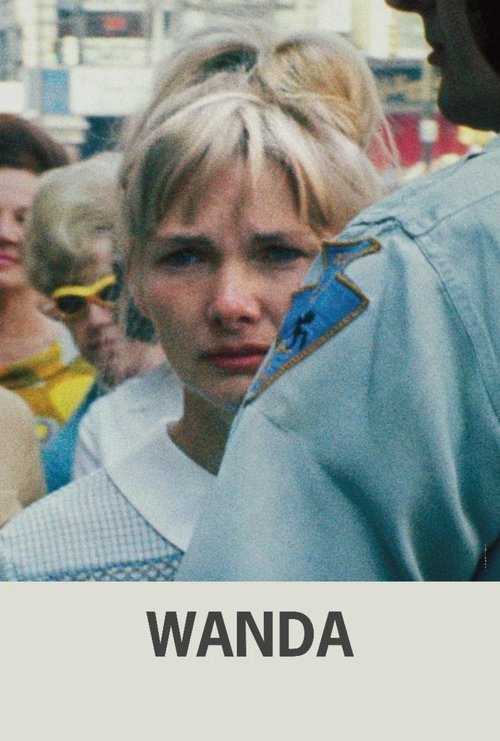
1970
No reviews yet. Be the first to share your thoughts on this movie!
Use the rating form above to leave a star rating and optional review.