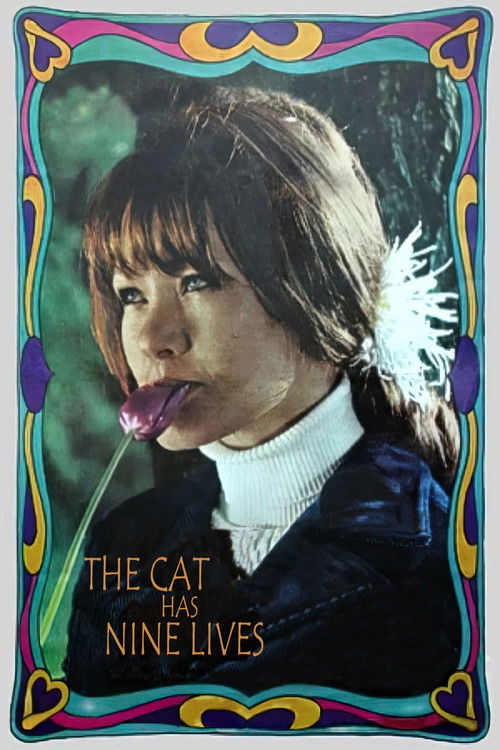
The Cat Has Nine Lives
1968
No user ratings available yet
Representation score: 5.6 out of 10

Representation Score
Fair
1972
Director
Volker Schlöndorff
Runtime
100 minutes
Average Rating
No ratings yetNew Showbiz Analysis
A Free Woman is a focused critique of gendered power dynamics in 1970s West Germany. It excels at dismantling patriarchal structures by centering a woman's fight for autonomy against a male-dominated society. However, the film's scope is narrow. It lacks representation of LGBTQ+ identities and racial diversity, reflecting the specific demographic and social limitations of its era and setting. Ultimately, the film is a specialized study of gendered friction rather than a broad exploration of diverse identities.
Category Breakdown
The film focuses on a woman's struggle within a patriarchal framework. There is no explicit evidence of queer identities or non-straight relationships.
The narrative centers on a woman fighting for self-fulfillment against male dominance. It effectively challenges traditional domestic roles by positioning the female protagonist as a social critic.
Set in 1972 Munich, the film likely reflects the localized demographics of West Germany. There is no evidence of a diverse or non-Anglo-Saxon cast.
The story critiques Western social institutions and traditional family structures. It prioritizes individual ability to act and secularism over conventional social norms.
The provided context contains no information regarding disability, neurodivergence, or chronic illness within the narrative.
Present on Screen
Limited or Absent
Official Synopsis
A divorced thirtysomething woman fights a losing battle in Munich to attain belated self-fulfillment. The die is cast in a briskly impersonal society geared to male dominance and early training for career women.
1968

1975

1981
1979
1975
1970
1990
1967
No reviews yet. Be the first to share your thoughts on this movie!
Use the rating form above to leave a star rating and optional review.