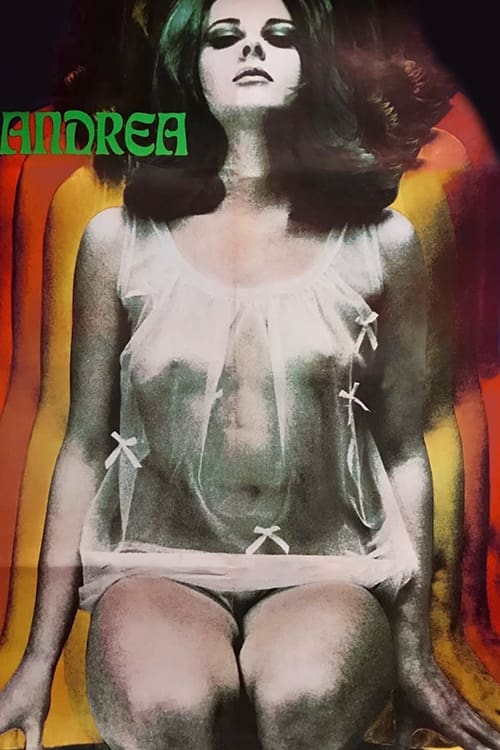
Andrea
1968
No user ratings available yet
Representation score: 3.3 out of 10
Representation Score
Fair
1965
Director
Mac Ahlberg
Runtime
95 minutes
Average Rating
No ratings yetNew Showbiz Analysis
Mac Ahlberg’s film serves as a period piece that challenges mid-1960s social norms. Its primary strength lies in its portrayal of female autonomy and the critique of traditional gender roles. However, the film lacks diversity in terms of race, ethnicity, and disability. It primarily focuses on heterosexual relationships and does not represent LGBTQ+ or disabled communities. The film highlights individual freedom against oppressive social and romantic structures.
Category Breakdown
The story focuses on heterosexual relationships and does not include any characters with non-binary gender identities or same-sex relationships.
Liv, the main character, is portrayed as having significant control over her life and decisions. The film challenges the idea that men are always the stable leaders by showing them as oppressive figures instead.
The racial makeup of the cast is not specified, but given the time and place, the film likely depicts a largely homogeneous Danish society.
The story questions traditional views of marriage and family life, emphasizing personal freedom over maintaining societal or family stability.
There is no evidence of characters with physical or neurodivergent disabilities in the provided context.
Present on Screen
Limited or Absent
Official Synopsis
Liv is a frankly sexual being. She finds herself in a series of sexual relationships with men who, she says, fall too much in love with her and become oppressive. Finally she meets a man who is very much like her, but that brings its own problems.
1968

1956
1969

1980

1970
1977
1970

1969
No reviews yet. Be the first to share your thoughts on this movie!
Use the rating form above to leave a star rating and optional review.