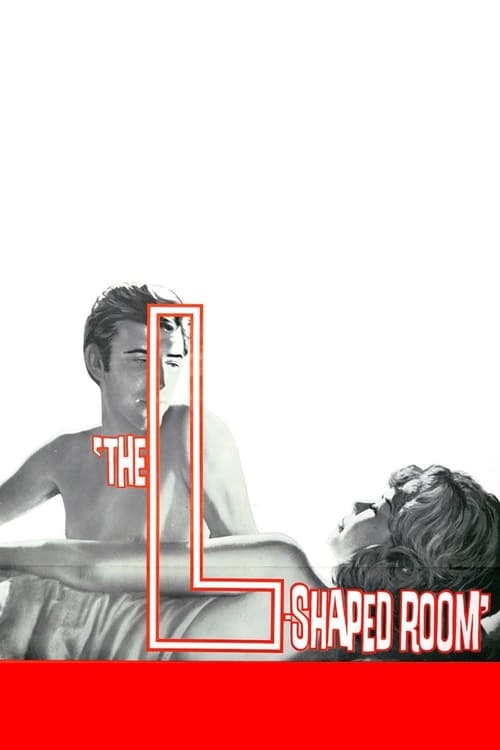
The L-Shaped Room
1962
No user ratings available yet
Representation score: 5.9 out of 10

Representation Score
Fair
1963
Not RatedDirector
Bo Widerberg
Runtime
95 minutes
Average Rating
No ratings yetNew Showbiz Analysis
Bo Widerberg’s drama effectively challenges the social norms of the 1960s by dismantling the ideal of a stable, happy nuclear family. Through its focus on emotional volatility and the psychological toll of reproductive struggles, the film offers a nuanced look at gender roles and domestic instability. However, the film is limited by its historical context, lacking diverse representation. It focuses on a homogeneous Swedish environment, excluding LGBTQ+ identities and racial diversity. While it provides a sophisticated psychological study, it remains a narrow reflection of a specific era and demographic.
Category Breakdown
The film centers on heterosexual relationships within a 1960s Swedish setting. It does not include any non-traditional gender identities or same-sex relationships.
The story challenges mid-century gender roles by examining the psychological struggles of both men and women. The female lead gains strength through her internal journey rather than traditional domestic roles.
The cast and setting reflect the predominantly white population of 1960s Sweden. There is no representation of non-white individuals or intentional racial blending.
The film focuses on secular themes, exploring existential dread without religious context. It portrays the nuclear family as a source of alienation, challenging the idealized Western family structure.
The film explores psychological instability and reproductive trauma, presenting these as existential crises rather than specific narratives of mental or physical disabilities.
Present on Screen
Limited or Absent
Official Synopsis
A tale of a young woman, Britt, who has two flings, but finds herself with difficult decisions when she finds herself pregnant.
1962

1953
1953

1961
1969

1929
1969
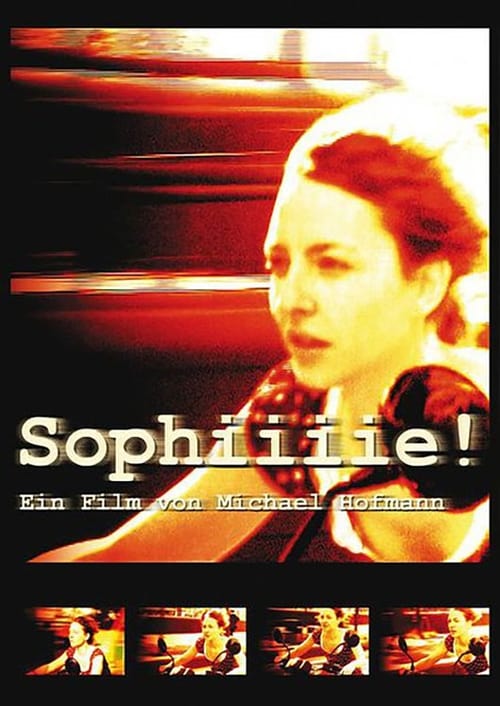
2003
No reviews yet. Be the first to share your thoughts on this movie!
Use the rating form above to leave a star rating and optional review.