
Loving Couples
1964
No user ratings available yet
Representation score: 7.6 out of 10
Representation Score
Fair
1958
Not RatedDirector
Ingmar Bergman
Runtime
85 minutes
Average Rating
No ratings yetNew Showbiz Analysis
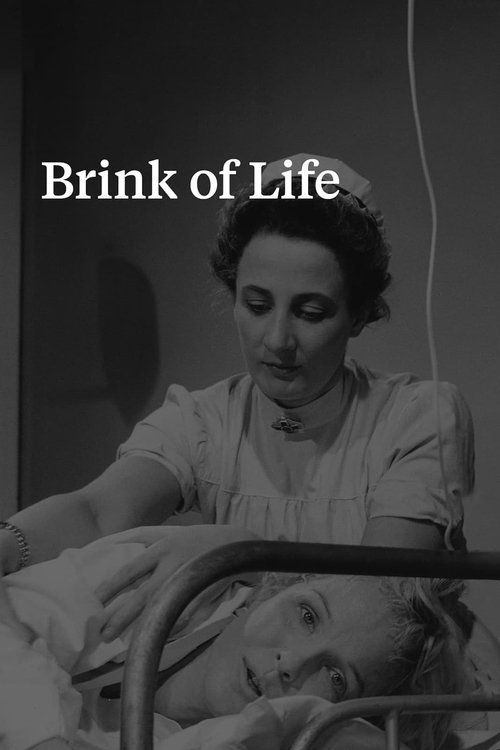
Brink of Life is a powerful exploration of psychological realism that challenges mid-century cinematic conventions. By focusing on the subjective experiences of women, it shifts the narrative away from social stability towards the internal turmoil of women facing reproductive crises. The film's narrative structure prioritizes individual autonomy and internal truth over traditional social and religious norms. While it lacks racial and LGBTQ+ diversity due to its historical context, it excels in its critique of mid-century social structures and values. The work offers a sophisticated critique of organized religion and social norms, emphasizing the importance of individual psychological truth over institutional dogma.
Category Breakdown
The film focuses on straight relationships and does not include any queer romantic arcs or non-cisgender identities.
The film emphasizes the internal struggles and ability to act of women, highlighting their roles in reproductive choice and intellectual autonomy.
The cast is ethnically homogeneous, reflecting the localized Swedish setting of 1958. The film does not engage with racial or ethnic diversity.
The film critiques organized religion and social norms, prioritizing individual psychological truth over institutional religious doctrine.
The film explores mental health issues without reducing them to stereotypes, though it does not depict physical or sensory disabilities.
Present on Screen
Limited or Absent
Official Synopsis
This intimate chamber drama, set in a maternity ward, follows the emotional crises of three women as they grapple with motherhood.
1964

1961

1952
1976
1949
1978

2016

1932
No reviews yet. Be the first to share your thoughts on this movie!
Use the rating form above to leave a star rating and optional review.