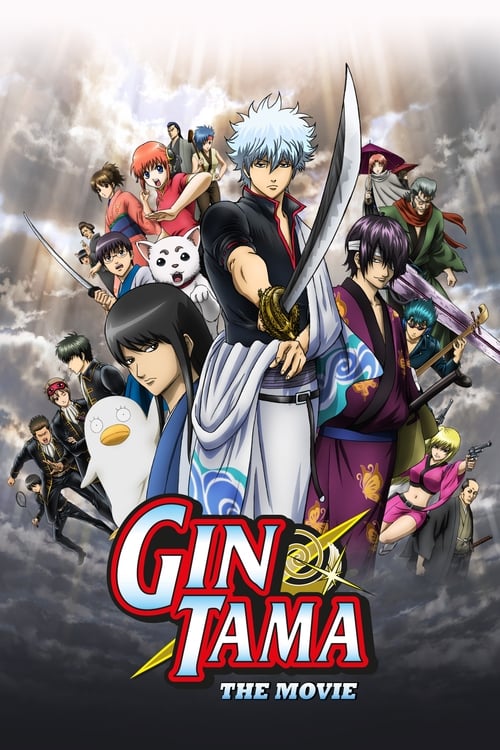
Gintama: The Movie
2010
No user ratings available yet
Representation score: 8.9 out of 10
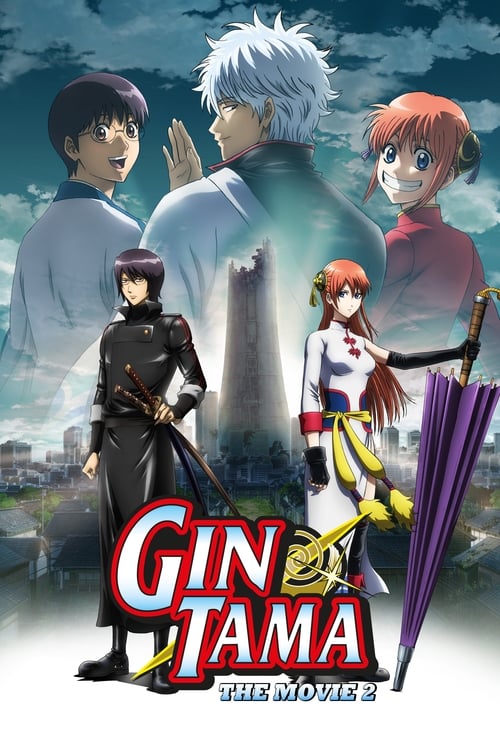
Representation Score
Good
2013
Director
Youichi Fujita
Runtime
110 minutes
Average Rating
No ratings yetNew Showbiz Analysis
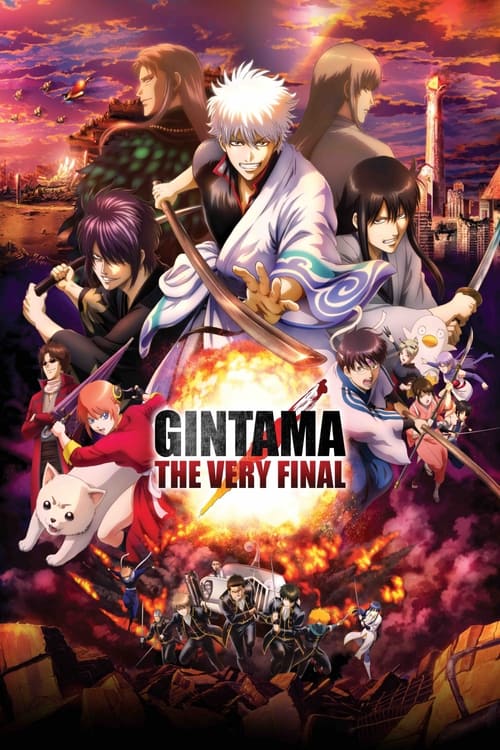
Gintama: The Final Chapter - Be Forever Yorozuya offers a nuanced exploration of identity and power through a science-fiction lens. It uses extraterrestrial presence to mirror real-world themes of occupation and exclusion, providing a sophisticated metaphor for cultural displacement. The film breaks traditional gender hierarchies by granting female characters significant independence and combat roles, avoiding the damsel in distress cliché. However, its progressive impact is tempered by its reliance on satire for LGBTQ+ elements and a lack of explicit disability representation. These areas remain secondary to the existential plot.
Category Breakdown
The film uses gender-bending and non-conforming presentations as comedic or satirical devices. While it allows for non-straight relationships, these elements are not central to the main storyline.
Female characters have strong ability to act and physical prowess, often matching their male counterparts. The narrative avoids damsel clichés, presenting women as key figures in both social and combat scenarios.
The film uses extraterrestrial 'Amanto' as a metaphor for racial and ethnic diversity. This framework explores themes of occupation and cultural displacement without relying on Earth-based racial stereotypes.
The story criticizes corrupt power structures and prioritizes subjective morality over rigid societal norms. It emphasizes found family over traditional biological or state-sanctioned social hierarchies.
The film focuses on metaphysical disabilities like memory loss and fragmented identity. There is limited explicit focus on neurodivergence or physical disability as central themes.
Present on Screen
Limited or Absent
Official Synopsis
What would have happened if the Shiroyasha never existed? Edo is thrown to chaos by a mysterious cause. Sakata Gintoki, now lives in a world where the future has changed, without him. What has happened to the Yorozuya? Gintoki, who is now a ghost of the past, must once again carry the burden in order to save his friends. He must finish the biggest job ever, which may be the final job of Yorozuya.
2010

2006
2018
2026
2021
2017
2016
2010
No reviews yet. Be the first to share your thoughts on this movie!
Use the rating form above to leave a star rating and optional review.