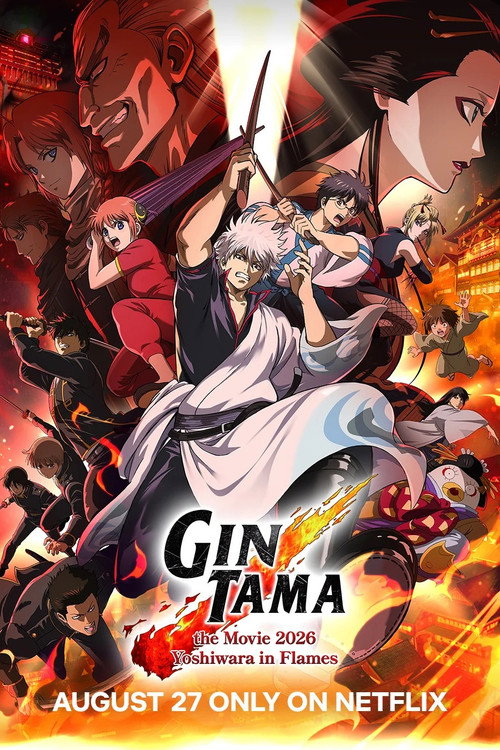
Gintama the Movie 2026: Yoshiwara in Flames
2026
No user ratings available yet
Representation score: 6.0 out of 10
Representation Score
Excellent
2021
Director
Chizuru Miyawaki
Runtime
104 minutes
Average Rating
No ratings yetNew Showbiz Analysis
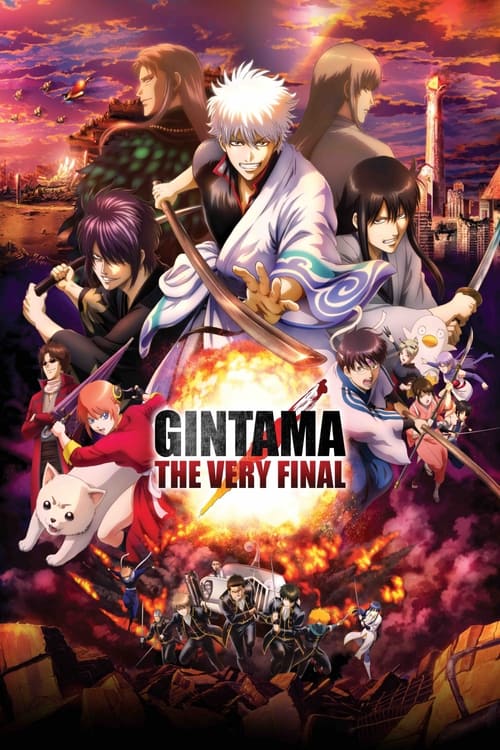
Gintama: The Very Final succeeds by challenging traditional power structures and gender hierarchies. It uses science fiction elements to mirror real-world ethnic diversity, presenting a decentralized approach to heroism that favors underrepresented outsiders. The film's strength lies in its refusal to adhere to institutional morality. By championing chosen families and individual ability to act, it creates a progressive narrative that challenges the status quo. However, the work remains limited in its explicit representation of non-assuming gender matches what was assigned at birth or queer identities and lived experiences of disability. These elements often function more as plot devices than deep character studies.
Category Breakdown
The film highlights strong emotional connections and the concept of found families. Although it doesn't explicitly depict queer identities or intimate relationships, the focus on emotional intimacy offers moderate inclusion.
Female characters like Kagura and Tsukuyo play a significant role in driving the story and combat skills. They avoid submissive stereotypes and act as central drivers of the plot, making decisive actions.
The use of alien species symbolizes ethnic diversity. This creates a diverse cast that challenges homogeneous views of identity and history.
The narrative criticizes rigid social structures and institutions. It emphasizes chosen family over state-sanctioned structures, framing unconventional methods as necessary rebellions against oppressive systems.
Themes of biological difference are explored through characters like Utsuro. However, these differences primarily serve as narrative drivers for the central conflict.
Present on Screen
Limited or Absent
Official Synopsis
The countdown to destruction has begun! Gintoki and the others set out to fulfill the wishes of their teacher Shoyo and thwart Utsuro's plans. Shinpachi, Kagura, the Shinsengumi, members of the Kabuki District, and even former enemies will join their fight. As Utsuro's power grows, Takasugi fights for his very life. Will Gintoki be able to put an end to all this?!
2026
2010
2016
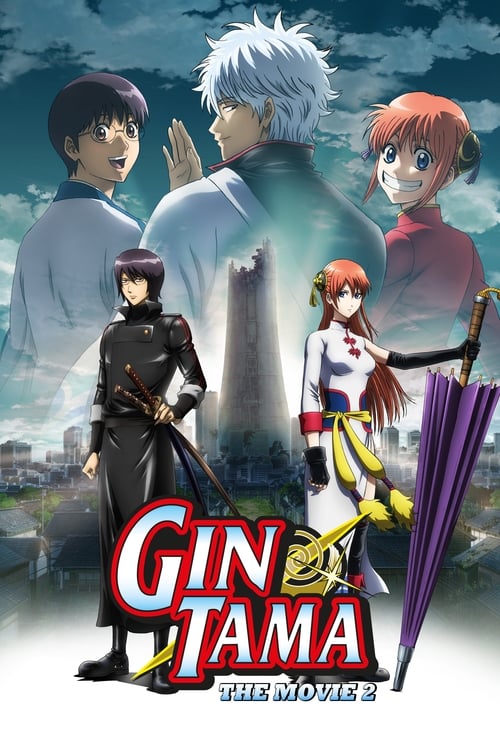
2013
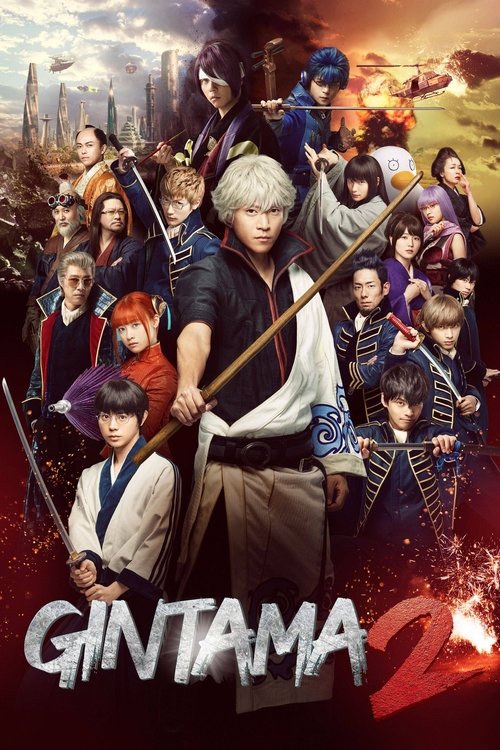
2018

2019

2020
2021
No reviews yet. Be the first to share your thoughts on this movie!
Use the rating form above to leave a star rating and optional review.