
Eden of the East Movie II: Paradise Lost
2010
No user ratings available yet
Representation score: 5.6 out of 10
Representation Score
Good
2009
Not RatedDirector
Kenji Kamiyama
Runtime
82 minutes
Average Rating
No ratings yetNew Showbiz Analysis
The film provides a sophisticated critique of systemic power and institutional authority. It moves beyond simple demographic markers to challenge how society is governed and how individuals interact with state structures. While the narrative lacks significant LGBTQ+ or racial diversity, it compensates with a deep exploration of class and technocratic identity. The focus remains on the tension between the individual and the state. Ultimately, the work is more focused on social engineering and political legitimacy than on diverse personal identities, resulting in a score that reflects intellectual depth over demographic breadth.
Category Breakdown
The film doesn't include explicit LGBTQ+ identities or non-cisgender expressions. The romantic and emotional arcs follow traditional heterosexual frameworks without any queer undertones.
Saya Takashiro breaks down traditional gender roles by being the main driver of the mystery. She plays a significant role in driving the story, avoiding the typical damsel in distress stereotype.
The setting reflects a predominantly Japanese population with little racial mixing. Diversity is shown through socioeconomic differences and social types rather than ethnic backgrounds.
The narrative critiques Western-style institutional frameworks and state sovereignty. It delves into technocratic populism and the disruption of traditional capitalism through radical social engineering.
There is no central depiction of physical or neurodivergent disabilities. Psychological pressures are treated as standard thriller clichés rather than specific explorations of disability.
Present on Screen
Limited or Absent
Official Synopsis
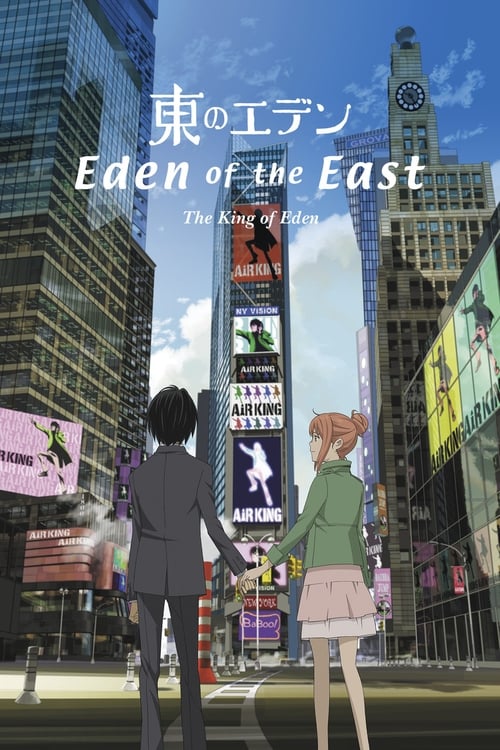
Takizawa prevented Japan's destruction - and then he vanished. Six months later, clues lead Saki to the Big Apple in search of her missing friend. Meanwhile, the remaining Selecao are plotting their final move. Some of them would prefer Takizawa dead and out of the way. Some might even be willing to help him achieve his goals. Unfortunately, some are prepared to destroy everything if it means claiming checkmate in Mr. Outside's puzzling game.
2010

2019

2009

2001
No reviews yet. Be the first to share your thoughts on this movie!
Use the rating form above to leave a star rating and optional review.