
Gintama
2017
No user ratings available yet
Representation score: 8.6 out of 10

Representation Score
Excellent
2010
TV-14Director
Shinji Takamatsu
Runtime
95 minutes
Average Rating
No ratings yetNew Showbiz Analysis
Gintama: The Movie excels in narrative deconstruction, particularly through its use of post-colonial allegory. By depicting the struggle of individuals against an alien-occupied Edo period, the film explores themes of cultural integrity and identity politics with depth. The film also succeeds in subverting traditional gender hierarchies. Female characters play key roles in combat and have significant autonomy, while male clichés are frequently dismantled through comedic means. This creates a dynamic, non-traditional social landscape. However, the film lacks specific, ability to act-driven depictions of physical or neurodivergent disabilities. While it addresses psychological trauma, the absence of visible disability representation keeps that score moderate.
Category Breakdown
The film includes camp aesthetics and homoerotic humor to challenge traditional masculinity and disrupt conventional gender roles, but it lacks explicit LGBTQ+ romantic arcs or central identities.
Female characters have significant physical strength and intellectual independence, often outperforming men. The film uses comedy to break down stoic masculine archetypes through slapstick humor.
The setting serves as a post-colonial allegory, using alien occupiers to explore racial and ethnic diversity. This creates a nuanced look at identity politics within a colonized framework.
The narrative criticizes corrupt power structures and state-sanctioned institutions, emphasizing personal moral integrity and situational ethics over rigid adherence to traditional social hierarchies.
The film touches on psychological trauma and emotional scars from past conflicts but does not center on physical or neurodivergent disabilities.
Present on Screen
Limited or Absent
Official Synopsis
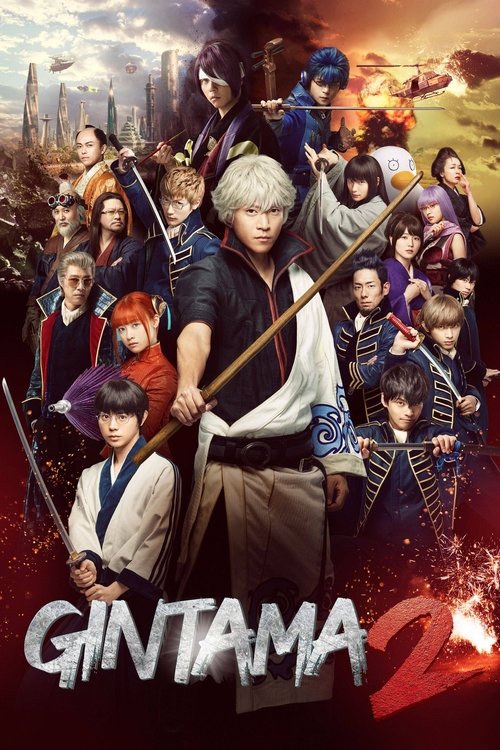
Odd Jobs Gin has taken on a lot of odd work in the past, and when you're a Jack of All Trades agency based in a feudal Japan that's been conquered and colonized by aliens, the term "Odd Jobs" means REALLY ODD jobs. But when some more than slightly suspicious secrets from the shadows of Gintoki Sakata's somewhat shady former samurai past and a new pair of odd jobs collide, the action is bound to get so wild and demented that only a feature film will do it justice!
2017

2013
2018

2018

2026

2008
2014
No reviews yet. Be the first to share your thoughts on this movie!
Use the rating form above to leave a star rating and optional review.