xxxHOLiC The Movie: A Midsummer Night's Dream
2005
No user ratings available yet
Representation score: 8.0 out of 10
Representation Score
Fair
2010
PG-13Director
Yasuhiro Takemoto, Tatsuya Ishihara
Runtime
162 minutes
Average Rating
No ratings yetNew Showbiz Analysis
The film stands out by challenging traditional gender roles, giving the female lead significant control and authority. This shift disrupts conventional gender hierarchies effectively. However, the film falls short in representing diverse identities. It lacks explicit LGBTQ+ representation and racial diversity. Additionally, while it incorporates psychological themes, these elements primarily serve the plot rather than offering a nuanced exploration of disability.
Category Breakdown
The film does not include explicit representations of LGBTQ+ identities or non-traditional gender expressions. Character interactions stay within traditional heterosexual norms without any queer-coded undertones.
Haruhi Suzumiya challenges traditional gender roles by taking control of reality with god-like powers. The male protagonist is more passive, shifting the narrative focus to the female lead.
The cast is predominantly Japanese, reflecting the urban setting without any visible non-white characters or non-human species used as ethnic symbols.
The story explores moral relativism where truth depends on personal perspective. It questions institutional stability but does not frame institutions as inherently corrupt.
Themes of psychological withdrawal and emotional numbness serve as metaphysical plot devices. These elements support the sci-fi mystery but do not provide nuanced portrayals of lived neurodivergent experiences.
Present on Screen
Limited or Absent
Official Synopsis
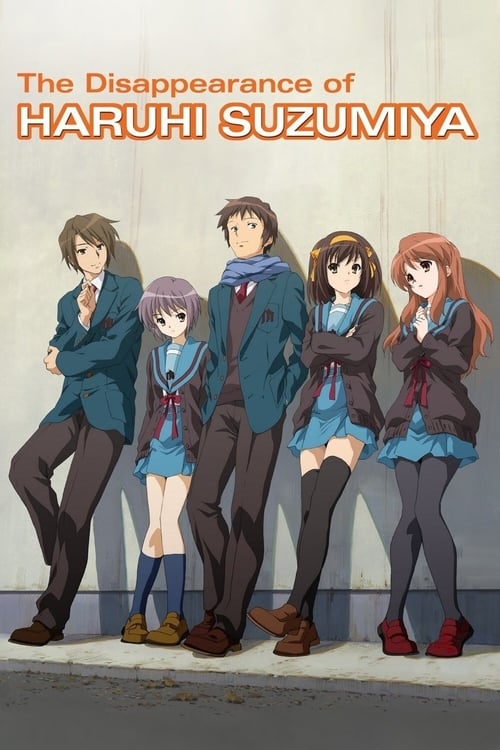
A week before Christmas, Kyon wakes up in a world where the SOS Brigade doesn't exist. Mikuru and Yuki don't recognize him, and Haruhi and Itsuki seem to have vanished.
2005

2013

2009

2015

1999
2013
2015

2015
No reviews yet. Be the first to share your thoughts on this movie!
Use the rating form above to leave a star rating and optional review.