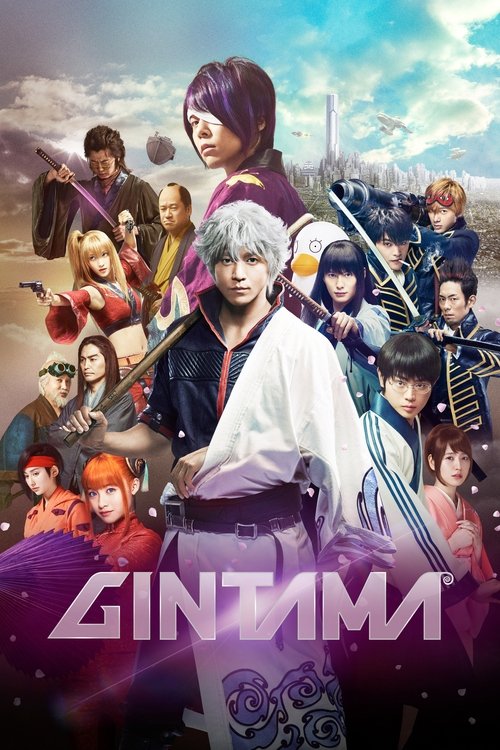
Gintama
2017
No user ratings available yet
Representation score: 8.6 out of 10
Representation Score
Excellent
2018
Director
Yuichi Fukuda
Runtime
134 minutes
Average Rating
No ratings yetNew Showbiz Analysis
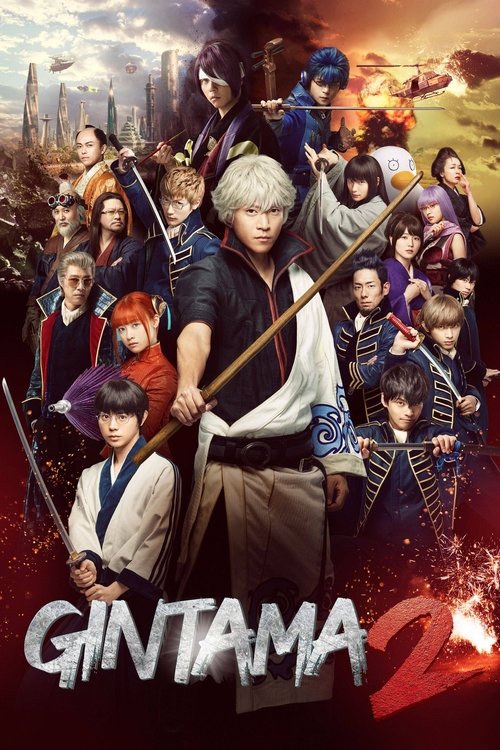
Gintama 2: Rules are Made to Be Broken succeeds as a postmodern deconstruction of historical archetypes. It uses a sci-fi lens to challenge rigid bushido codes, replacing them with a chaotic, situational morality that favors individual choice over traditional authority. The film's strength lies in its sophisticated use of post-colonial metaphors and its subversion of gendered expectations. By framing the samurai class as obsolete in a commercialized world, it offers a nuanced critique of institutional power. However, the narrative lacks depth regarding LGBTQ+ identities and disability. These elements are either absent or subsumed by broader action clichés, preventing a more inclusive exploration of non-normative lived experiences.
Category Breakdown
The film lacks explicit same-sex romantic arcs or dedicated LGBTQ+ narratives. While the comedic tone utilizes camp aesthetics and gender-fluid humor, these elements remain peripheral to the main plot.
Kagura subverts traditional feminine clichés through her immense physical strength and uninhibited personality. The Yorozuya trio prioritizes competence and chaotic partnership over patriarchal structures, effectively avoiding the damsel in distress archetype.
The presence of the Amanto aliens serves as a post-colonial allegory for external occupation. Kagura’s Yato heritage adds depth to the friction between native social orders and foreign influences.
The film deconstructs traditional values by portraying the decline of the samurai class as the obsolescence of rigid social codes. It favors individualistic ethics over corrupt or outdated institutional authority.
Unique physiological traits are treated as standard sci-fi genre elements rather than explorations of disability. There is little evidence of neurodivergence or physical disability being addressed with specific narrative focus.
Present on Screen
Limited or Absent
Official Synopsis
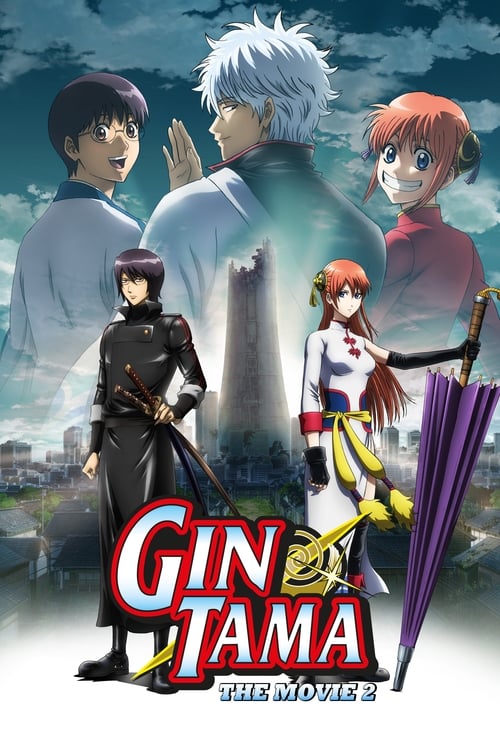
The Yorozuya gang returns to protect the country's shogun when the Shinsengumi police force finds itself in a crisis.
2017
2010
2016
2013
2026
2021
No reviews yet. Be the first to share your thoughts on this movie!
Use the rating form above to leave a star rating and optional review.