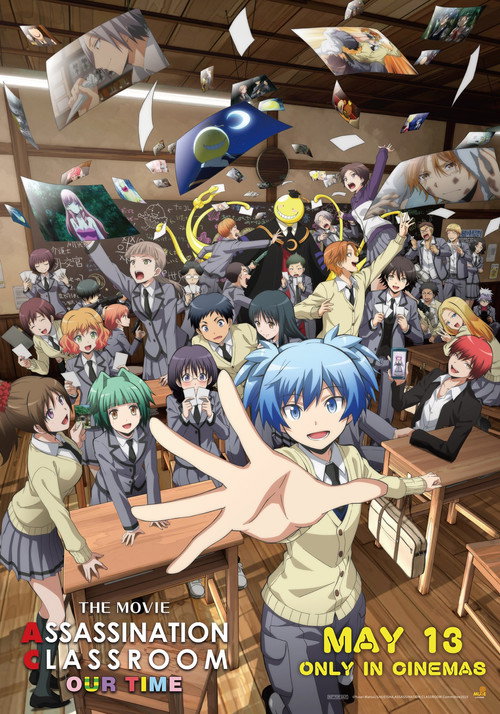
Assassination Classroom the Movie: Our Time
2026
No user ratings available yet
Representation score: 1.7 out of 10
Representation Score
Good
2016
MDirector
Eiichiro Hasumi
Runtime
116 minutes
Average Rating
No ratings yetNew Showbiz Analysis
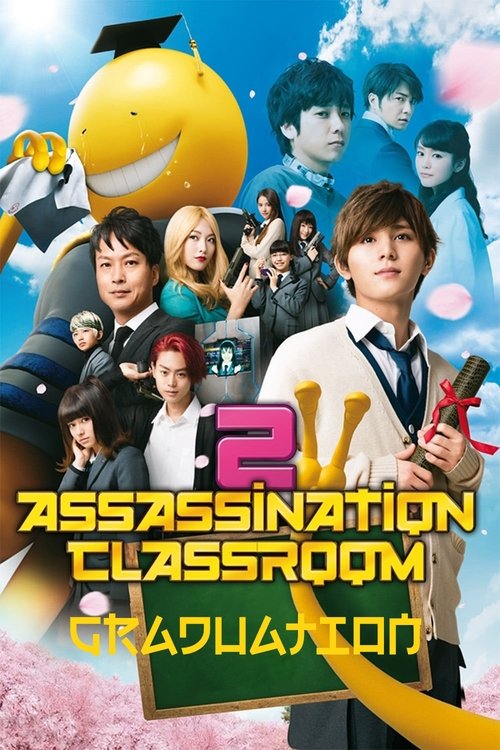
Assassination Classroom: Graduation is a culturally specific film that focuses on social commentary rather than demographic diversity. While the cast is largely homogeneous, the film excels in critiquing institutional authority and traditional power structures. The narrative emphasizes the struggle against systemic academic stratification over racial or sexual identity. By focusing on the underrepresented Class E, the film delves into themes of social stigma and empowerment through collective action. Ultimately, the film's strength lies in its deconstruction of educational systems, using a science fiction backdrop to challenge the rigid hierarchies of a meritocratic society.
Category Breakdown
The film does not include explicit LGBTQ+ characters or non-cisgender identities. It adheres to a traditional social framework without challenging straight-centered assumptions.
Both male and female students have significant roles in driving the story. They are defined by their strategic thinking and intellect rather than traditional gender stereotypes or passive roles.
The cast is primarily made up of actors from similar backgrounds, reflecting the film's Japanese cultural context. Diversity is shown through socio-economic differences rather than ethnic variety.
The story provides a critical look at meritocratic institutions. It portrays the school administration as an oppressive force, challenging systemic hierarchies.
The film does not explicitly focus on neurodivergence or physical disabilities. However, Class E is used as a metaphor for those underrepresented by societal norms.
Present on Screen
Limited or Absent
Official Synopsis
A mysterious creature destroys part of the moon and then warns that if it is not destroyed before March of the following year, Earth will be next. It also demands to become the homeroom teacher of Class E, a third-year class at Kunugigaoka High School. As the deadline for the assassination and the date of the end of the world approach, the students discover their true abilities and Koro-sensei's shocking identity.
2026

2013

2018

2004

2015
2016
2013
No reviews yet. Be the first to share your thoughts on this movie!
Use the rating form above to leave a star rating and optional review.