
Ivan the Terrible, Part II: The Boyars' Plot
1958
No user ratings available yet
Representation score: 2.2 out of 10
Representation Score
Limited
1968
Director
Sergei Eisenstein
Runtime
31 minutes
Average Rating
No ratings yetNew Showbiz Analysis
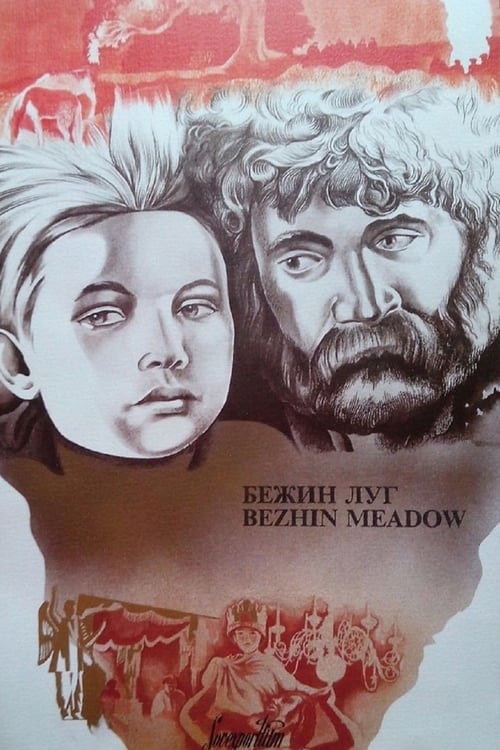
Bezhin Meadow is a fragmented exploration of shifting social loyalties during a time of political change. Its strength lies in its critique of traditional family structures in favor of state allegiance. However, the film adheres to traditional gender dynamics, with male characters driving the main plot. It lacks representation of contemporary identity groups such as LGBTQ+ or neurodivergent individuals. Ultimately, the film disrupts social and institutional hierarchies rather than showcasing diverse identity groups.
Category Breakdown
There are no LGBTQ+ characters or themes related to non-straight identities in the film.
The film emphasizes patriarchal structures, with male figures taking the lead in the central conflict.
The film accurately represents the ethnic reality of the Russian agrarian class without modern whitewashing.
It prioritizes collective loyalty to the state over traditional family authority, challenging conventional roles.
Due to the fragmentary nature of the surviving frames, there is no clear depiction of disabilities.
Present on Screen
Limited or Absent
Official Synopsis
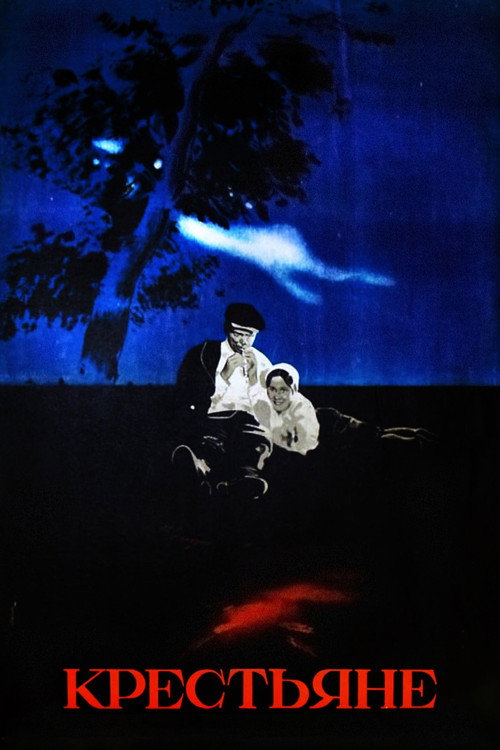
Bezhin Lug (Bezhin Meadow) was to be a Soviet film about a young farm boy whose father attempts to betray the government for political reasons by sabotaging the year's harvest, and the son's efforts to stop his own father to protect the Soviet state, culminating in the boy's murder and a social uprising. Assigned to Soviet film-maker Sergei Eisenstein, the filming followed the same path as with his previous effort, "Que Viva Mexico", into cost overrun and over-shooting of footage. Furthermore, Eisenstein's usage of forbidden experimental film techniques outraged his government superiors, who ordered the film destroyed before it was even completed. All that survives are the first and last frames of each shot, preserved by Sergei Eisenstein’s wife, Pera Atasheva. The 1967 reconstruction, by Naum Kleiman of the Eisenstein Museum and Sergei Yutkevich of Gosfilmofond, places these frames in order, approximating the original film.
1958

1944
1966
1973
1968
1935

1930
1969
No reviews yet. Be the first to share your thoughts on this movie!
Use the rating form above to leave a star rating and optional review.