
Baltic Deputy
1937
No user ratings available yet
Representation score: 5.2 out of 10
Representation Score
Fair
1949
Director
Alexander Dovzhenko
Runtime
95 minutes
Average Rating
No ratings yetNew Showbiz Analysis
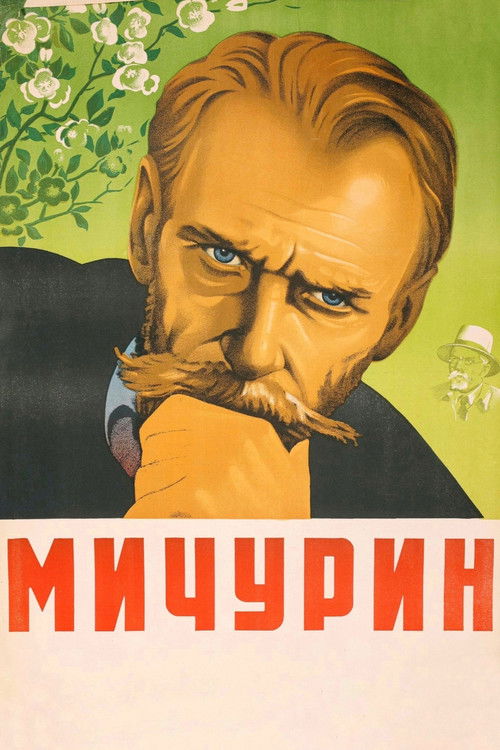
Michurin functions as a biographical study of scientific triumph through the lens of Soviet collective labor. It successfully presents a diverse multi-ethnic landscape and a strong secular, anti-capitalist cultural perspective. However, the film is constrained by mid-century social hierarchies. It lacks LGBTQ+ representation and offers minimal ability to act to female characters, who remain in the background of the intellectual struggle. Ultimately, the film's diversity is bifurcated. It challenges traditional religious and monarchical institutions while adhering to rigid, traditional gender and ability norms.
Category Breakdown
The film does not include any LGBTQ+ characters or non-cisgender identities. It portrays a society strictly aligned with conventional 1940s Soviet domestic and professional structures.
Narrative ability to act is focused on the male protagonist and his male peers. Women appear in the scientific community but primarily serve in supportive or domestic roles.
The film showcases the multi-ethnic composition of the Soviet Union through its scientific and working-class communities. However, it does not provide actively leading development for non-Slavic identities.
The story strongly critiques the Church and Tsarist government, emphasizing a secular, state-aligned scientific advancement over religious or capitalist frameworks.
The film does not depict any meaningful representation of disability. Characters are shown as able-bodied participants in the era's scientific and labor-intensive processes.
Present on Screen
Limited or Absent
Official Synopsis
About the life of the Russian biologist Ivan Michurin. 1912 year. Having rejected American offers to work abroad, Michurin continues his research in the Russian Empire, despite the fact that his ideas are not perceived by the tsarist government, the church and idealistic science. Michurin is supported by prominent scientists of the country and he continues to work hard. After the October Revolution, a small Michurin garden in the city of Kozlov (the biologist's homeland) becomes a large state nursery.
1937

1930
1966

1960
1947

1973
1953

1981
No reviews yet. Be the first to share your thoughts on this movie!
Use the rating form above to leave a star rating and optional review.