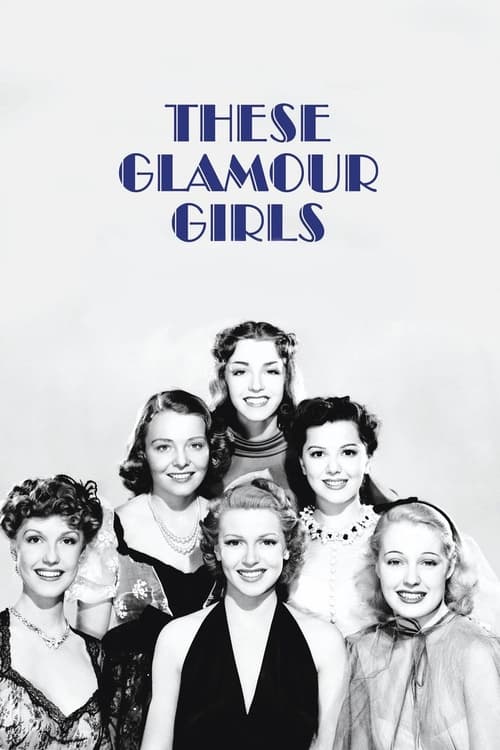
These Glamour Girls
1939
No user ratings available yet
Representation score: 0.8 out of 10

Representation Score
Limited
1929
PassedDirector
Dorothy Arzner
Runtime
77 minutes
Average Rating
No ratings yetNew Showbiz Analysis
Dorothy Arzner’s direction offers a sophisticated look at female-centric narratives and social hierarchies. The film disrupts male-dominated structures by allowing women to drive the plot and establish their own moral standing. However, the film remains confined by the social constraints of 1929. It lacks racial diversity and does not explicitly challenge institutional or racial hierarchies of the time. Ultimately, while the film presents progressive gendered storytelling through female resilience, it adheres to traditional approaches regarding race and cultural morality.
Category Breakdown
The film centers on romantic relationships between the protagonist and her professor. There is no indication of non-binary gender identities or same-sex intimacy in the plot.
The narrative highlights women's ability to drive the story and social maneuvering. Stella Ames actively shapes her reputation through decisive actions, avoiding passive roles.
The film portrays a homogeneous, upper-class society. There is no evidence of diverse racial or ethnic backgrounds among the characters.
The story operates within traditional Western social structures and moral frameworks. It reinforces social order without challenging institutional norms.
There is no documentation of characters with visible or invisible disabilities in the narrative.
Present on Screen
Limited or Absent
Official Synopsis
Wild girls at a college pay more attention to parties than their classes. But when one party girl, Stella Ames, goes too far at a local bar and gets in trouble, her professor has to rescue her. Gossip linking the two escalates until Stella proves she is decent by shielding an innocent girl and winning the professor's respect.
1939

1930

1929
1927

1932
1925
1929

1931
No reviews yet. Be the first to share your thoughts on this movie!
Use the rating form above to leave a star rating and optional review.