
The Assumption of Hannele
1934
No user ratings available yet
Representation score: 0.3 out of 10
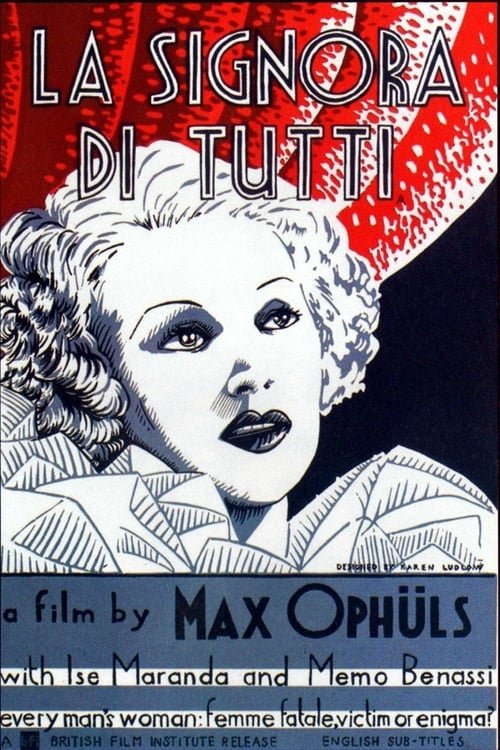
Representation Score
Limited
1934
Director
Max Ophüls
Runtime
97 minutes
Average Rating
No ratings yetNew Showbiz Analysis
Max Ophüls delivers a sophisticated character study that finds its strength in challenging traditional gender power dynamics. By centering the protagonist's autonomy, the film defies the submissive female archetypes common in early 20th-century cinema. However, the work remains limited by the cultural constraints of 1934 European filmmaking. It lacks diverse representation for LGBTQ+ identities or racial diversity within its Parisian setting. Ultimately, the film is a nuanced exploration of desire and social structures. It succeeds as a drama of individual empowerment but remains culturally and demographically homogeneous.
Category Breakdown
The film focuses on heterosexual relationships and infidelity within conventional romantic settings. It does not include perspectives from LGBTQ+ communities.
The narrative centers on the female protagonist's experiences and her ability to drive the story. She navigates male attention actively rather than passively.
The cast reflects the homogeneous demographic of 1930s Parisian upper-class society. There are no non-white characters with significant roles.
The setting is rooted in traditional Western bourgeois structures. It explores moral relativism and secular human behavior rather than strict religious codes.
There is no visible evidence or mention of characters with physical or neurodivergent disabilities.
Present on Screen
Limited or Absent
Official Synopsis
Gaby is expelled from school after a married teacher commits suicide after telling her he can't live without her. Though she has done nothing, she is punished for his act.
1934

1930
1934

1929
1941

1928

1935

1920
No reviews yet. Be the first to share your thoughts on this movie!
Use the rating form above to leave a star rating and optional review.