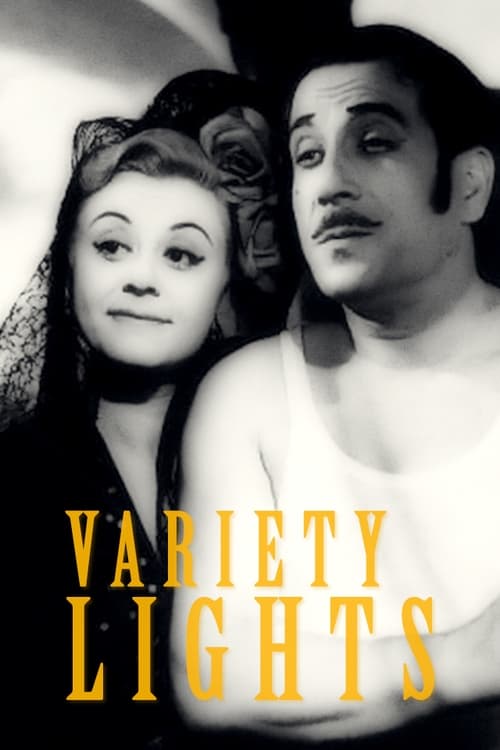
Variety Lights
1950
No user ratings available yet
Diversity score: 3.8 out of 10
1940
ApprovedDirector
Dorothy Arzner
Runtime
90 minutes
Average Rating
No ratings yetSynopsis
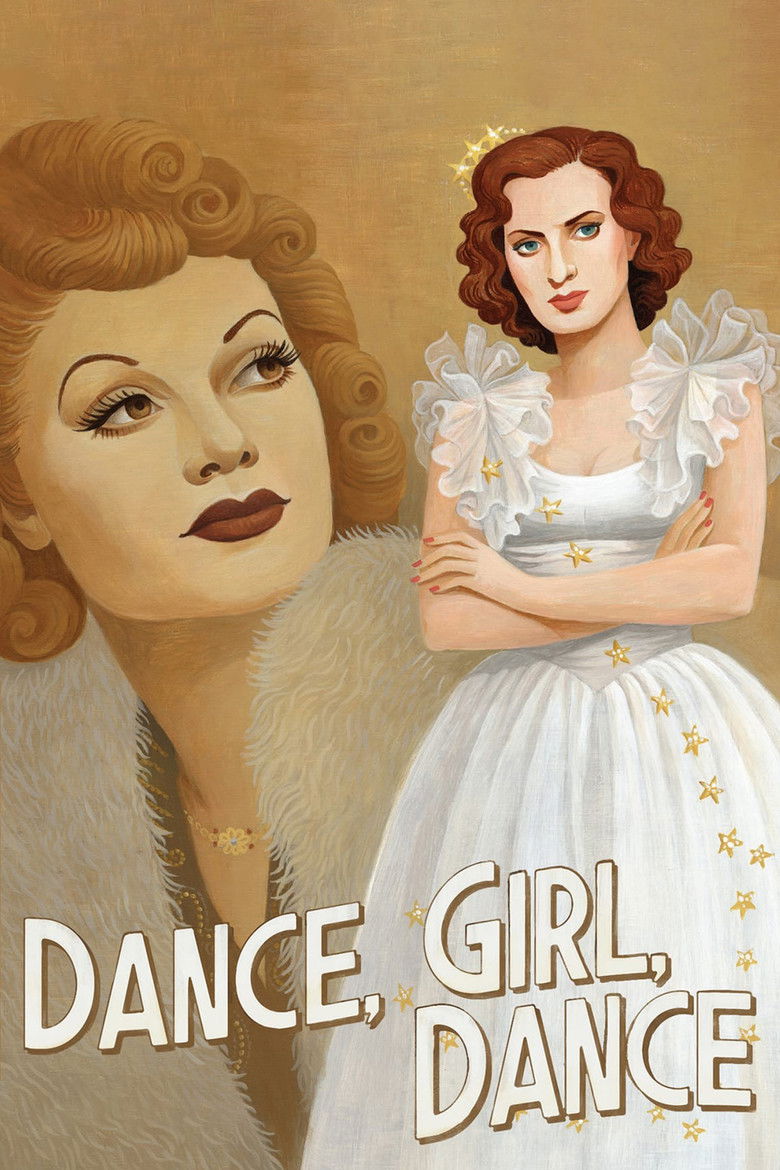
Judy O'Brien is an aspiring ballerina in a dance troupe. Also in the company is Bubbles, a brash mantrap who leaves the struggling troupe for a career in burlesque. When the company disbands, Bubbles gives Judy a thankless job as her stooge. The two eventually clash when both fall for the same man.
Overall Score
Fair
Category Breakdown
LGBTQ+ Representation
The film adheres to 1940s studio constraints, offering no explicit non-cisnormative identities. While female characters experience intense interpersonal friction, these conflicts are framed as professional rivalries rather than queer narratives.
Gender Representation
The film subverts traditional hierarchies by centering on female dignity versus objectification. Judy demonstrates moral strength by resisting sexually suggestive roles, shifting the focus from romance to her struggle for self-respect.
Racial & Ethnic Diversity
The cast is predominantly homogeneous, reflecting the historical studio system. While it avoids harmful stereotypes, the film lacks the intersectional breadth required for a higher contemporary score.
Religious & Cultural Diversity
The narrative provides a nuanced critique of how the entertainment industry commodifies the female body. It frames the nightclub as a site of systemic pressure rather than a celebratory space.
Disability Representation
There are no prominent depictions of physical or neurodivergent disabilities that impact the narrative arc.
Strengths
Areas for Improvement
AI Analysis
Dorothy Arzner’s direction elevates this film from a standard romantic comedy to a sophisticated study of female autonomy. By prioritizing the protagonist's psychological struggle over traditional courtship, the film critiques the exploitative nature of the entertainment industry. The narrative effectively deconstructs the male gaze, framing the protagonist's journey as a reclamation of dignity. This focus on agency provides a progressive architecture that challenges the submissive femininity typical of the 1940s. However, the film's impact is limited by the era's lack of racial and LGBTQ+ representation. While it excels in gendered power dynamics, it remains a product of a homogeneous studio system.
No reviews yet. Be the first to share your thoughts on this movie!
Use the rating form above to leave a star rating and optional review.