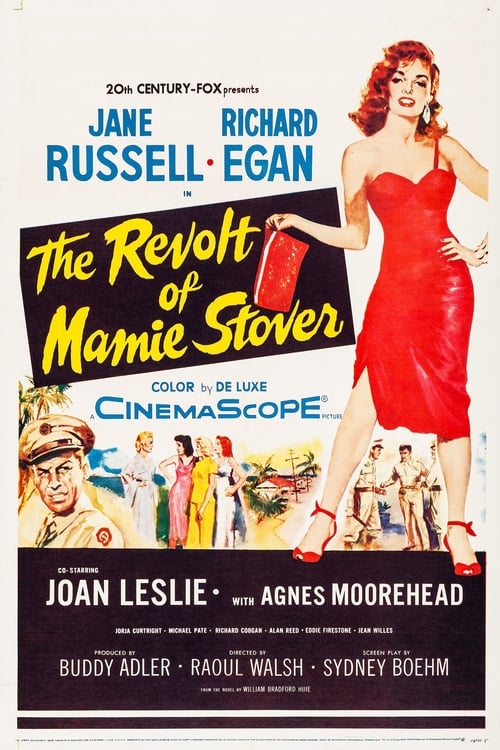
The Revolt of Mamie Stover
1956
No user ratings available yet
Diversity score: 4.3 out of 10

1946
NRDirector
Raoul Walsh
Runtime
96 minutes
Average Rating
No ratings yetSynopsis
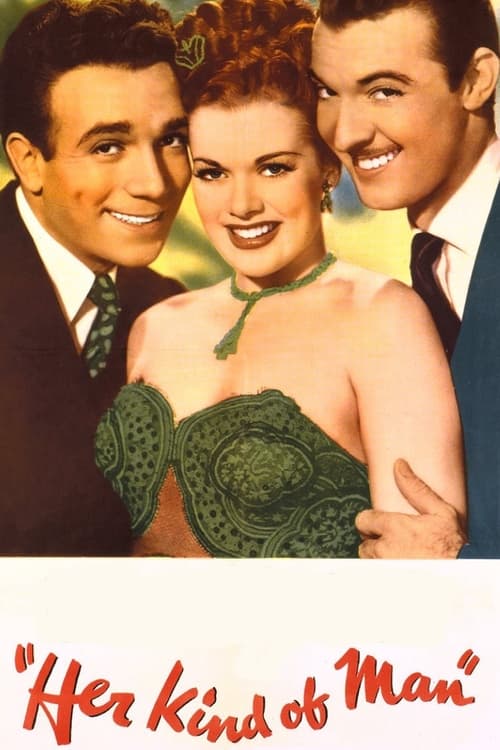
Tough torch singer Petey Brown, visiting her family, finds a nest of troubles: her sister, brother, and the neighbor's wife are involved in various ways with shady nightclub owner Nicky Toresca. Petey has what it takes to handle Nicky, but then she meets San Thomas, formerly great jazz pianist now on the skids, and falls for him hard.
Overall Score
Fair
Category Breakdown
LGBTQ+ Representation
The film follows a conventional heteronormative trajectory. There is no evidence of non-cisnormative gender identities or same-sex intimacy within the central character arcs.
Gender Representation
Petey Brown disrupts traditional hierarchies as a tough torch singer with significant agency. She acts as a stabilizing force, navigating a male-dominated criminal underworld rather than playing a passive damsel.
Racial & Ethnic Diversity
The New Orleans setting implies a multi-ethnic milieu, but the primary cast remains predominantly white. Diversity serves as an atmospheric backdrop for the noir aesthetic rather than a structural plot driver.
Religious & Cultural Diversity
The narrative engages with moral relativism by centering on the criminal underworld. It focuses on individual survival within a volatile socioeconomic environment rather than critiquing specific Western institutions.
Disability Representation
There are no prominent depictions of physical or neurodivergent disabilities that drive the narrative or serve as central character traits.
Strengths
Areas for Improvement
AI Analysis
The film's progressive value lies in the agency of its female lead, Petey Brown. She navigates dangerous social landscapes and manages shady figures, subverting the submissive female tropes common in 1946. However, the work remains grounded in traditional genre structures. It lacks explicit engagement with systemic critiques or diverse identity politics, focusing instead on interpersonal drama within a gritty, morally complex setting. While the New Orleans setting suggests a multi-ethnic environment, the cast is largely white. The film prioritizes character-driven survival over exploring the systemic complexities of the racial landscape.
1956
1929

1958
1934

1947
1934

1941
1955
1952
1940
1946
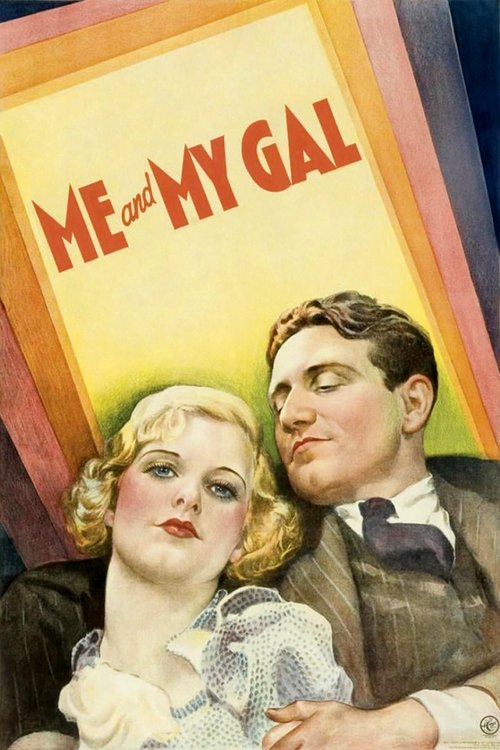
1932
No reviews yet. Be the first to share your thoughts on this movie!
Use the rating form above to leave a star rating and optional review.