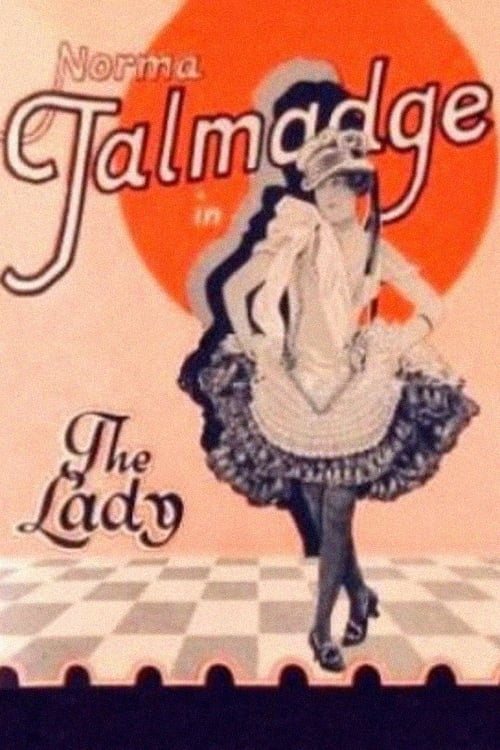
The Lady
1925
No user ratings available yet
Diversity score: 2.3 out of 10
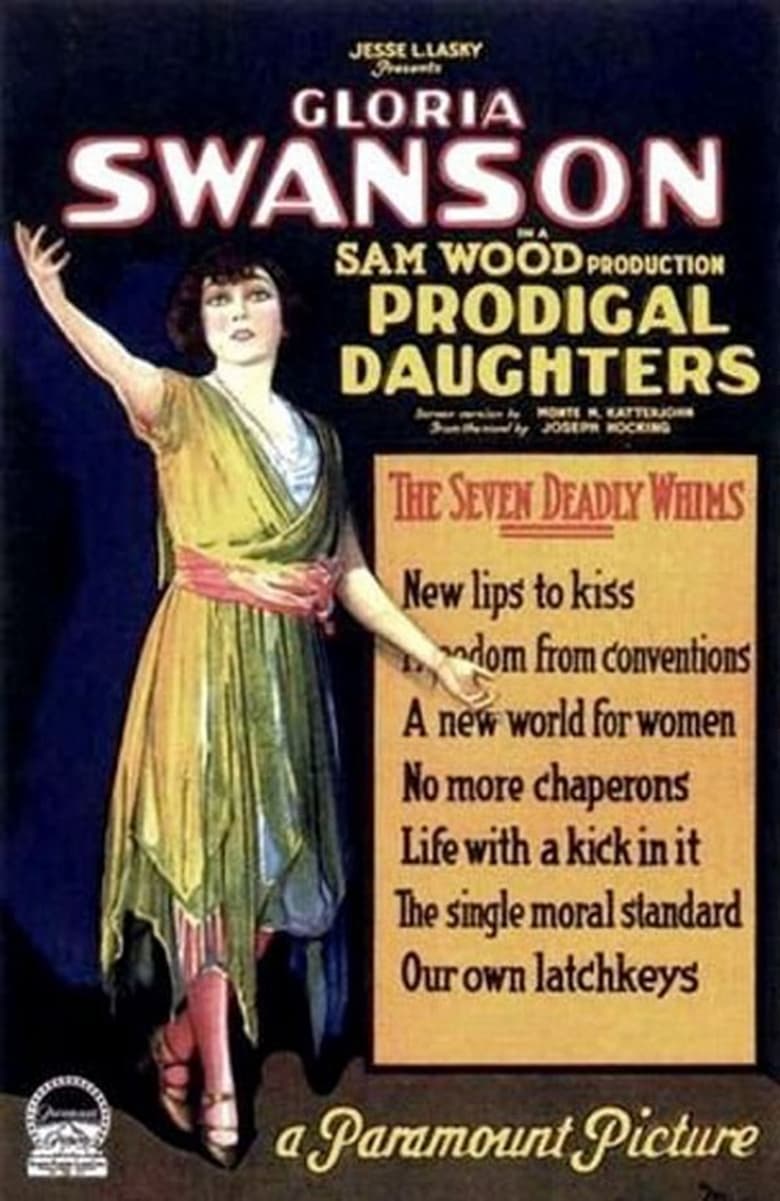
1923
PassedDirector
Sam Wood
Runtime
60 minutes
Average Rating
No ratings yetSynopsis
Elinor "Swifty" Forbes and her younger sister Marjory are the carefree daughters of wealthy J. D. Forbes. Their mother shows no restraint over her daughters, so they live among the flapper set. Lester Hodges, a songwriter, is enamored of Marjory, while Garside, who runs a card room, is interested in Swifty. While gambling at Garside's place, Swifty meets Roger Corbin, who works as an engineer at her father's business. Corbin falls in love with Swifty. When Mr. Forbes protests against both his daughters' behavior, they move out. Marjory marries Hodges, but eventually leaves him and returns to her parents. Swifty, who has gambled herself into debt, agrees to marry Garside. But when the couple are together in a café, prohibition agents raid the place.
Overall Score
Limited
Category Breakdown
LGBTQ+ Representation
The film lacks any indication of non-heteronormative identities. Romantic arcs focus entirely on traditional heterosexual pairings and courtship.
Gender Representation
The narrative centers on female agency, portraying the sisters as autonomous actors defying patriarchal authority. However, Swifty's marriage to resolve debt suggests a return to traditional structures.
Racial & Ethnic Diversity
The story focuses on a homogeneous, wealthy Anglo-Saxon social stratum. There is no evidence of racial blending or non-white characters in the primary arc.
Religious & Cultural Diversity
The film explores social rebellion through the 'flapper set' and critiques institutional morality via a Prohibition-era raid. It remains deeply rooted in specific class structures.
Disability Representation
There is no evidence of characters with visible or invisible disabilities within the narrative.
Strengths
Areas for Improvement
AI Analysis
Prodigal Daughters captures the tension between Jazz Age autonomy and traditional patriarchal control. It succeeds in centering female agency, showing women who actively choose social transgression over domestic stability. However, the film lacks intersectional depth. The narrative is confined to a homogeneous, wealthy social class, offering no representation of racial diversity or LGBTQ+ identities. While the daughters rebel, the resolution of their arcs often leans back into conventional social structures. Ultimately, the film is a study of gendered rebellion within a narrow, privileged demographic, providing a window into shifting social mores without broader inclusivity.
1925
1931
1932
1934
1931

1926
1931
1934
1940
1934
1926
1932
No reviews yet. Be the first to share your thoughts on this movie!
Use the rating form above to leave a star rating and optional review.