
Boudu
2005
No user ratings available yet
Representation score: 4.6 out of 10
Representation Score
Fair
1932
Not RatedDirector
Jean Renoir
Runtime
84 minutes
Average Rating
No ratings yetNew Showbiz Analysis
Jean Renoir’s comedy is a biting satire of the bourgeoisie, using the chaotic energy of a Parisian tramp to shake up established social hierarchies. Despite lacking modern markers of diversity like race or LGBTQ+ representation, the film stands out in its cultural critique of class-based respectability. The film excels in challenging social norms and highlighting female empowerment. It celebrates the outsider as a liberating force against the constraints of capitalism and rigid social customs. However, the work is limited by the demographic uniformity of its time. The absence of diverse racial representation and non-straight-centered identities reflects the social limitations of 1932 France.
Category Breakdown
The film does not include any clearly defined LGBTQ+ characters or stories. Romantic relationships stay within traditional, heterosexual norms.
Marie plays a key role in making decisions and showing independence by deciding to protect the protagonist. This challenges the usual power dynamics in her social class.
The film mirrors the predominantly white population of 1930s France. There is no indication of non-white or non-European actors.
The movie serves as a critique of the lifestyle of the upper-middle class. It uses the protagonist to question the sanctity of the bourgeois family and strict social rules.
The protagonist's thoughts of suicide and being an outcast relate to psychological struggles. These elements act more as metaphors for class issues rather than detailed portrayals of disabilities.
Present on Screen
Limited or Absent
Official Synopsis
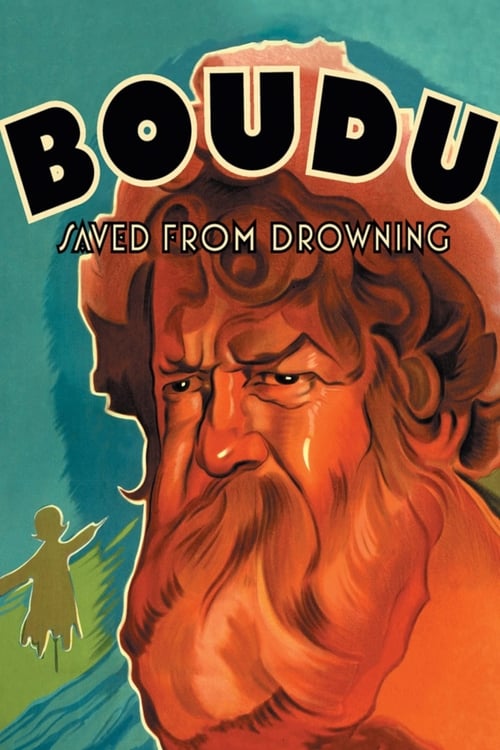
Michel Simon gives one of the most memorable performances in screen history as Boudu, a Parisian tramp who takes a suicidal plunge into the Seine and is rescued by a well-to-do bookseller, Edouard Lestingois. The Lestingois family decides to take in the irrepressible bum, and he shows his gratitude by shaking the household to its foundations. With Boudu Saved from Drowning, legendary director Jean Renoir takes advantage of a host of Parisian locations and the anarchic charms of his lead actor to create an effervescent satire of the bourgeoisie.
2005

1953
1931

1939
1958

1960

1950

1934
No reviews yet. Be the first to share your thoughts on this movie!
Use the rating form above to leave a star rating and optional review.