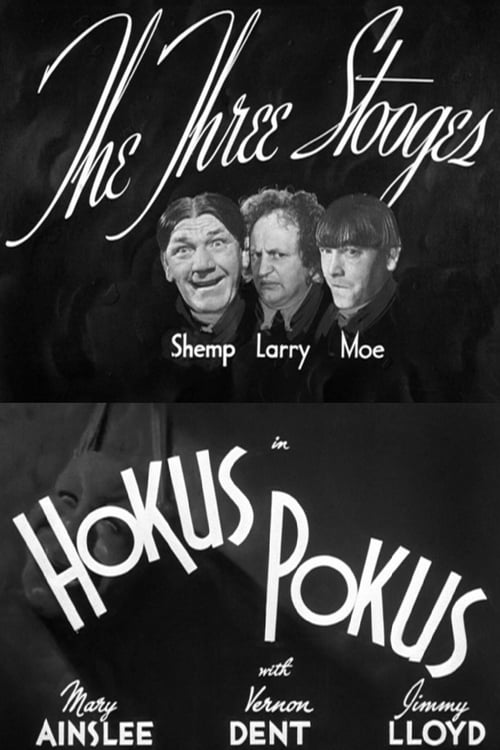
Hokus Pokus
1949
No user ratings available yet
Representation score: 3.3 out of 10
Representation Score
Minimal
1955
NRDirector
Jules White
Runtime
16 minutes
Average Rating
No ratings yetNew Showbiz Analysis
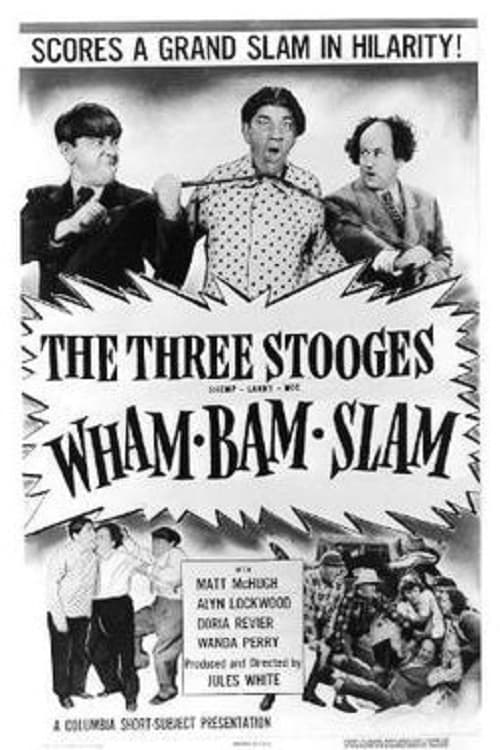
Wham-Bam-Slam! is a typical mid-century slapstick short that adheres strictly to the traditional social and narrative conventions of its time. The film prioritizes physical comedy and established comedic structures over any intentionality regarding diverse representation. The narrative is heavily centered on male characters, focusing on the relationship between Shemp and Claude. It lacks diverse character arcs or any meaningful engagement with different cultural or social identities. Ultimately, the film operates as a period-typical comedy that avoids challenging existing hierarchies, instead relying on conventional comedic structures and homogeneous casting.
Category Breakdown
There are no LGBTQ+ characters or non-cisgender identities in the film. The story focuses solely on a traditional comedic duo.
The story revolves around male characters, Shemp and Claude, and their interactions. There is no indication of female empowerment or subversion of gender roles.
The film adheres to the homogeneous casting practices of 1955. There is no intentional effort to include diverse racial backgrounds or non-Anglo-Saxon characters.
The film employs a folk humor cliché involving a self-taught healer. It maintains a conventional, light-hearted approach to wellness without delving into systemic social issues.
Shemp’s nervous condition is used mainly for comedic effect and as a plot device. The resolution trivializes his condition by suggesting excitement as a cure.
Present on Screen
Limited or Absent
Official Synopsis
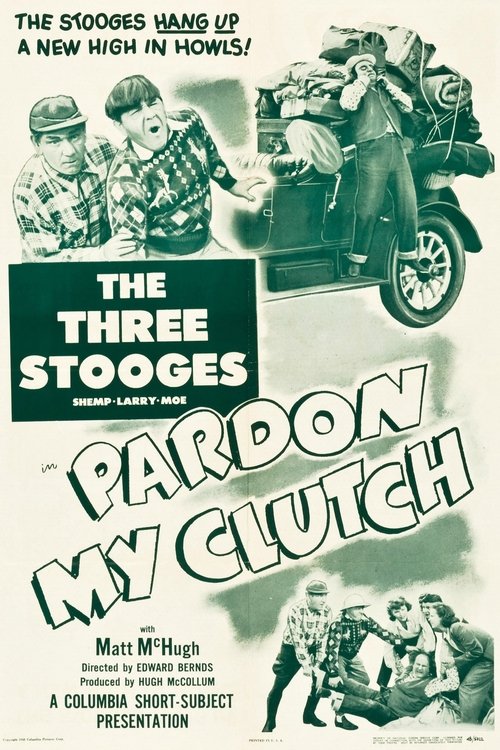
Shemp is a sick man with a bad case of nerves. The stooge's friend Claude, a self-taught healer, tries to cure Shemp with various home- made remedies. When nothing seems to work, Claude suggests they buy his old lemon of a car so they can take Shemp on a trip to the country. The car won't start, and the trip never gets off the ground, but not to worry, Shemp is cured by all the excitement.
1949
1948
1951
1953
1951
1956
1952
1956
No reviews yet. Be the first to share your thoughts on this movie!
Use the rating form above to leave a star rating and optional review.