Evening Classes
1967
No user ratings available yet
Representation score: 4.2 out of 10
Representation Score
Limited
1959
Director
Éric Rohmer
Runtime
18 minutes
Average Rating
No ratings yetNew Showbiz Analysis
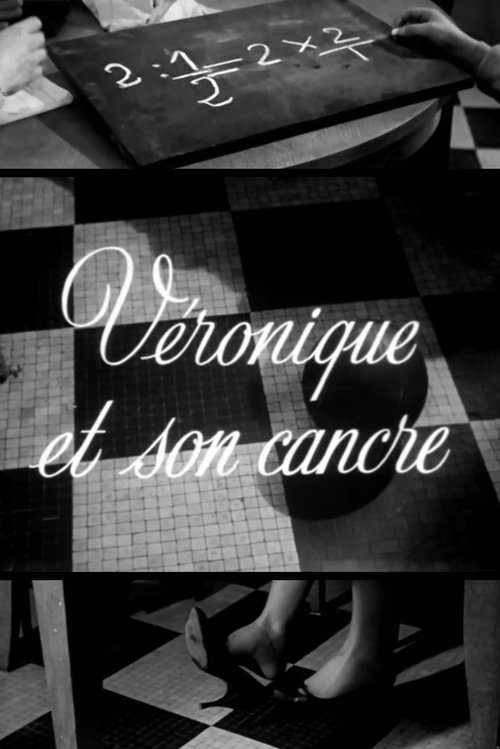
Véronique and Her Dunce excels as a character study that challenges traditional gender roles. By focusing on a female lead whose worth is not tied to traditional domesticity or social performance, Rohmer provides a nuanced look at intellectual ability to act in the late 1950s. However, the film's progressive impact is limited by a lack of diverse representation. Its narrative is confined to a homogeneous social and ethnic landscape, offering little representation for LGBTQ+ identities or diverse racial backgrounds. Ultimately, while the film offers meaningful subversion of gender norms, its narrow focus on a specific provincial middle-class experience limits its broader inclusive scope.
Category Breakdown
The film does not include any visible LGBTQ+ characters. The social environment stays within the traditional framework of the time.
Véronique challenges traditional gender roles by operating outside the expected social graces. She embodies an intellectual ability to act that defies the era's rigid gender hierarchies.
The cast is ethnically uniform, reflecting the localized, provincial setting of 1959 France. The film does not feature diverse casting.
The film centers on the provincial middle class and individual psychological truths. It subtly questions rigid social etiquette and traditional institutions.
There are no prominent depictions of physical or neurodivergent disabilities. The term 'dunce' is used as a social label rather than a clinical condition.
Present on Screen
Limited or Absent
Official Synopsis
Véronique gives a mathematics lesson to a dunce who answers the prepared questions with disconcertingly sound answers.
1967
1969
1959
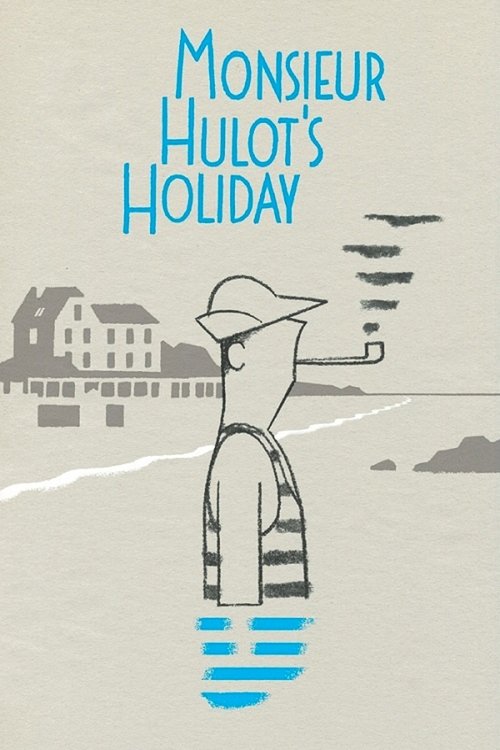
1953
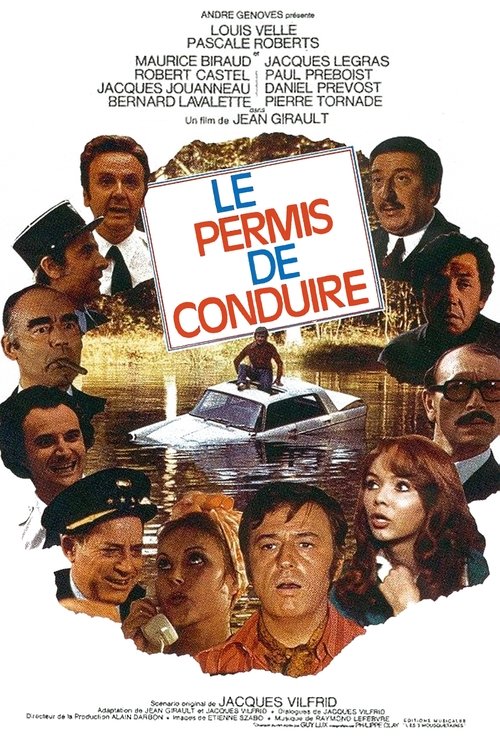
1974
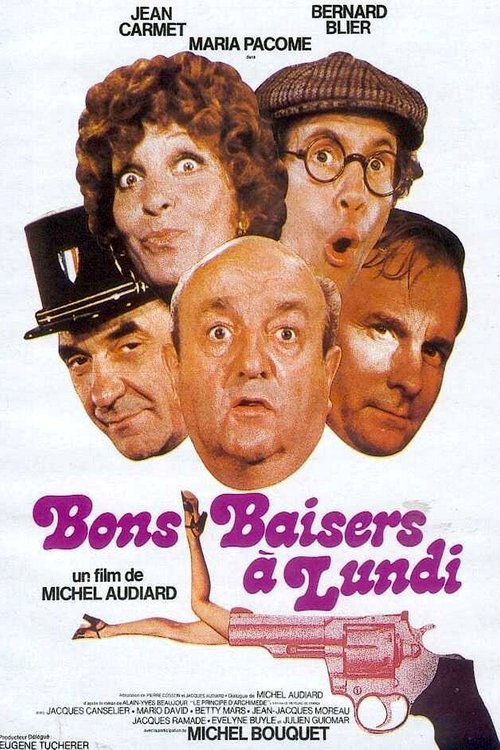
1974
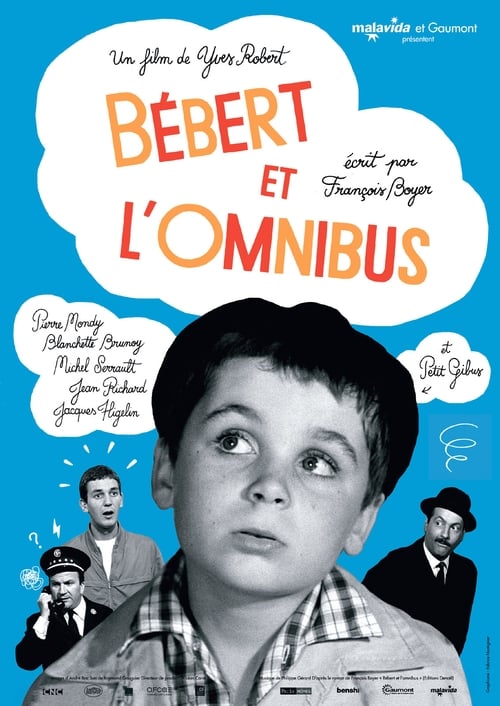
1963
1982
No reviews yet. Be the first to share your thoughts on this movie!
Use the rating form above to leave a star rating and optional review.