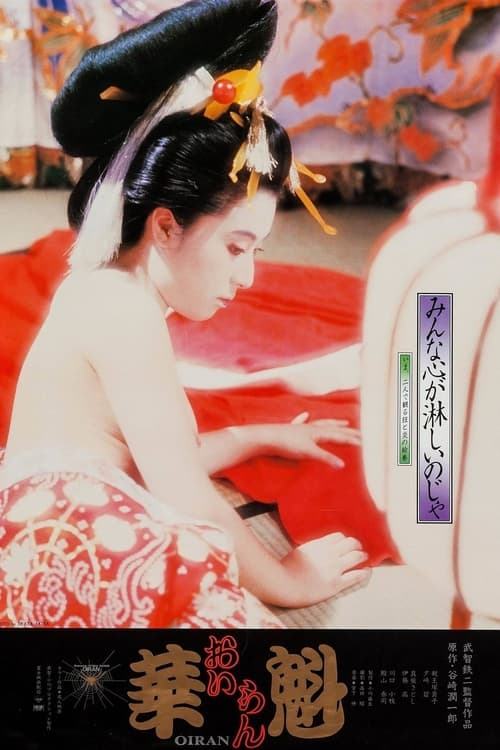
Oiran
1983
No user ratings available yet
Representation score: 8.1 out of 10

Representation Score
Good
1995
Director
Hou Hsiao-hsien
Runtime
108 minutes
Average Rating
No ratings yetNew Showbiz Analysis
Hou Hsiao-hsien’s film stands out by dismantling grand historical narratives through a deeply personal, postmodern lens. By focusing on the subjective experience of a woman navigating a privacy crisis and her own memories, the film sidesteps the clichés of traditional historical epics. The film’s strength lies in its nuanced exploration of post-colonial identity. It successfully presents a multifaceted Taiwanese perspective, moving away from Western-centric views to highlight how geopolitical transitions impact individual displacement and identity. While the film is culturally and racially diverse, it remains limited in its depiction of queer identities and disability. The narrative structure primarily revolves around traditional heterosexual relationships and personal psychological struggles.
Category Breakdown
The film focuses on the romantic and psychological complexities of a female protagonist. It does not include explicit non-cisgender identities or queer narratives, emphasizing traditional heterosexual relationships.
The narrative challenges the passive portrayal of women by highlighting a woman's internal life and her ability to drive the story. It emphasizes her intellectual and emotional independence rather than traditional domestic roles or male-dominated historical stories.
The film offers a rich, non-Anglo-centric view of history by showcasing post-colonial Taiwanese identity. It explores the coexistence of ethnic and cultural groups during the transition from Japanese to Kuomintang rule.
The story delves into post-colonial themes and localized morality. It illustrates how systemic political changes and the collapse of old hierarchies influence the private lives of individuals.
There are no prominent depictions of physical or neurodivergent disabilities that serve as central narrative drivers in this work.
Present on Screen
Limited or Absent
Official Synopsis
An actress preparing to play in a historical epic is terrorized by someone faxing her pages from her stolen diary; has colorful flashbacks of her affair with a now-deceased man; and imagines black-and-white film-within-a-film scenes of the movie she is about to appear in.
1983

2001
1999

1985
1977

1948
2005
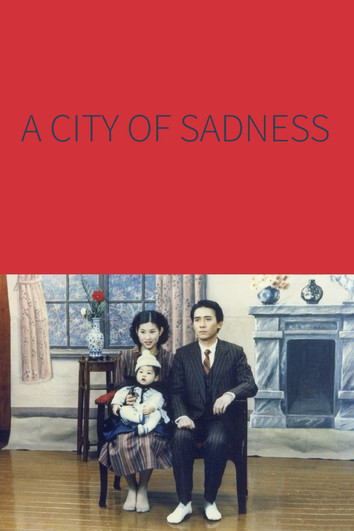
1989
No reviews yet. Be the first to share your thoughts on this movie!
Use the rating form above to leave a star rating and optional review.