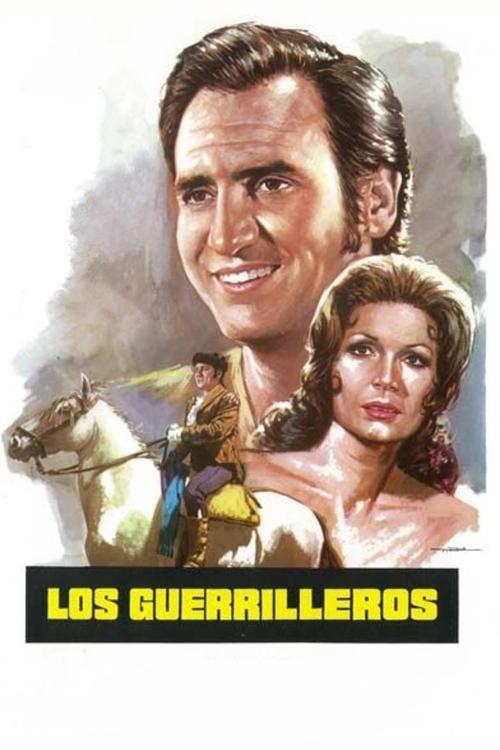
Los guerrilleros
1963
No user ratings available yet
Representation score: 2.0 out of 10

Representation Score
Fair
1960
Director
Tomás Gutiérrez Alea
Runtime
81 minutes
Average Rating
No ratings yetNew Showbiz Analysis
Tomás Gutiérrez Alea utilizes the film as a tool for social deconstruction, focusing heavily on systemic shifts rather than individual identity politics. The work excels at challenging Western-centric narrative structures and economic hierarchies. The film's primary strength lies in its commitment to post-colonial ability to act and its rigorous critique of imperialist influence. It successfully centers the Cuban working class and peasantry as the drivers of historical change. However, the narrative lacks visibility for LGBTQ+ identities and provides no discernible representation for people with disabilities. The focus remains strictly on class-based and nationalistic mobilization.
Category Breakdown
The film focuses on the collective struggle of the peasantry and working class. It does not include explicit non-assuming gender matches what was assigned at birth identities or queer subplots, prioritizing class-based mobilization over individual identity politics.
Women are integrated into the revolutionary struggle rather than being relegated to domestic roles. The narrative grants them a significant role, subverting traditional hierarchies by showing them as active participants in social upheaval.
The cast reflects the local Cuban population, centering the voices of the underrepresented working class. This approach challenges Western-influenced social hierarchies by prioritizing post-colonial representation and decolonized identity.
The film offers a profound critique of Western institutions and capitalist structures. It promotes a revolutionary morality that emphasizes collective sovereignty and the dismantling of oppressive, external political models.
There is no significant evidence regarding the portrayal of physical or neurodivergent disabilities within the narrative.
Present on Screen
Limited or Absent
Official Synopsis
A film about the Cuban Revolution told from three different perspectives.
1963
1928
1969

1964
1994
1952
1970
2008
No reviews yet. Be the first to share your thoughts on this movie!
Use the rating form above to leave a star rating and optional review.