Gripsholm Castle
1963
No user ratings available yet
Representation score: 2.0 out of 10
Representation Score
Minimal
1955
Director
Kurt Hoffmann
Runtime
92 minutes
Average Rating
No ratings yetNew Showbiz Analysis
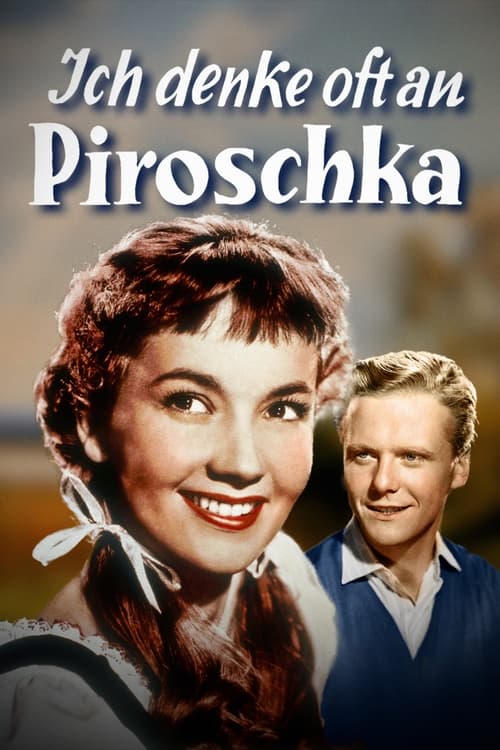
This 1955 musical comedy serves as a quintessential example of post-war escapist cinema. It prioritizes charm and melodic storytelling over any attempt at social deconstruction or systemic critique. The narrative relies heavily on traditional romantic clichés and conventional social hierarchies. While it offers a lighthearted look at cross-cultural romance within Europe, it does not challenge established norms. Ultimately, the film reflects the social constraints and cultural values of its era. It focuses on individual romantic fulfillment rather than exploring complex identity or power dynamics.
Category Breakdown
The film operates within a strictly straight-centered framework. There is no evidence of diverse gender identities or same-sex relationships.
The plot emphasizes mid-century gender roles, focusing on the male protagonist's decisions. Piroschka is primarily defined by her emotional reactions to his actions and traditional romantic jealousy.
The story explores interactions between a German student and a Hungarian village, but the dynamics remain within a homogeneous European context.
This escapist comedy celebrates an idealized version of European village life. It upholds a stable social order without questioning traditional institutions or secular beliefs.
There are no visible or invisible disabilities integrated into the main character arcs.
Present on Screen
Limited or Absent
Official Synopsis
Andreas, a young German student comes to Hungary on an exchange programme. In the Hungarian village he falls in love with the stationmaster's daughter Piroschka and spends much of his time with her. They have an enchanting summer until Andreas gets an invitation to join another young woman at a nearby resort. Piroschka is jealous and follows him there, causing trouble. It takes a long time for Andreas and Piroschka to even talk to each other again. When Andreas has to leave Hungary at the end of his holiday, he is determined to return some day.
1963

1965
1957

1971
1959
1939

1947
1955
No reviews yet. Be the first to share your thoughts on this movie!
Use the rating form above to leave a star rating and optional review.