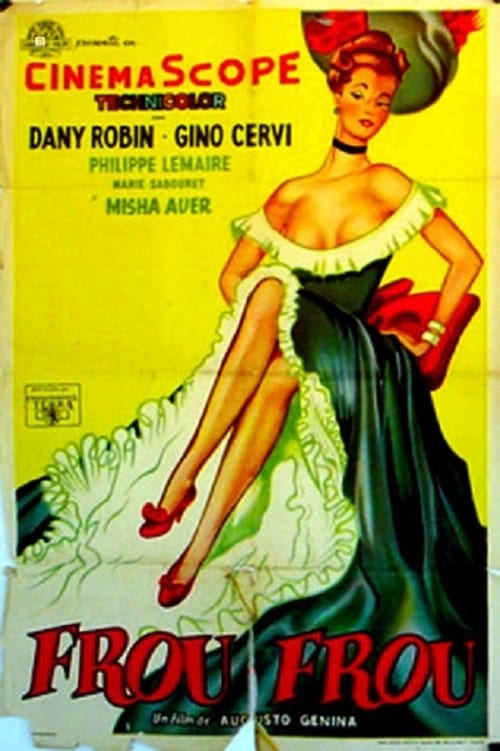
Frou-Frou
1955
No user ratings available yet
Diversity score: 2.6 out of 10
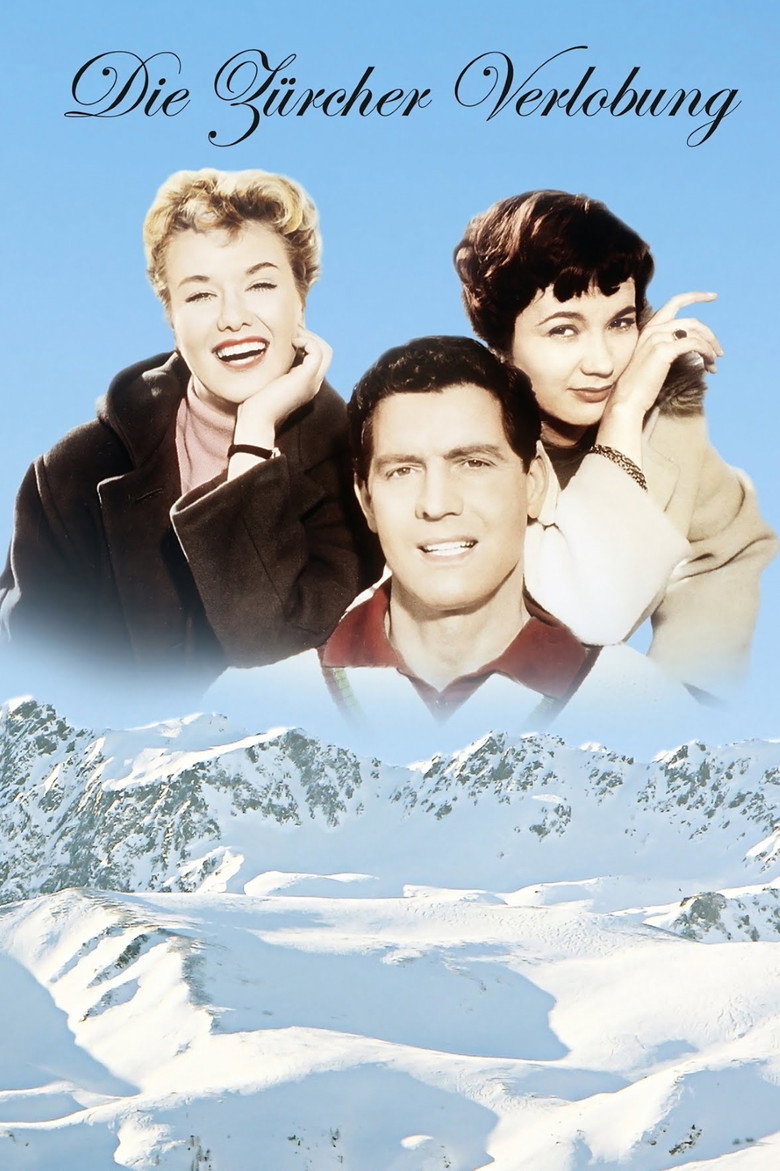
1957
Director
Helmut Käutner
Runtime
106 minutes
Average Rating
No ratings yetSynopsis
Juliane Thomas is an ambitious but unemployed young writer. After breaking up with her lover she works at a dentist friend to make ends meet. One day she instantly falls in love with one of the patients (Jean Berner) and promptly writes a movie script about the encounter in which she projects her own fantasies about how things will turn out eventually. By coincidence this movie script is picked up by a film director who happens to be Berner's closest friend and from then on things become very complicated...
Overall Score
Limited
Category Breakdown
LGBTQ+ Representation
The film adheres to the heteronormative social structures of 1950s European cinema. The plot is driven entirely by a conventional romantic entanglement between a man and a woman.
Gender Representation
Juliane Thomas provides a nuanced portrayal of female agency as an ambitious writer. While she possesses intellectual autonomy, the story remains tethered to traditional romantic resolutions.
Racial & Ethnic Diversity
Set in Zurich, the film reflects the demographic homogeneity of its era. The cast and social environment are depicted through a standard white lens without non-white representation.
Religious & Cultural Diversity
The narrative operates within a traditional Western social context focused on individual romantic pursuits. It follows standard social expectations regarding courtship rather than critiquing Western institutions.
Disability Representation
There is no discernible representation of physical, sensory, or neurodivergent disabilities. Characters are presented within a standard able-bodied framework typical of the genre.
Strengths
Areas for Improvement
AI Analysis
The film is a product of its time, functioning as a localized European romantic comedy that prioritizes traditional social norms. It lacks intersectional depth, offering almost no representation of LGBTQ+ identities, racial diversity, or disability. However, it avoids some common period pitfalls by centering on a female protagonist with professional ambitions. Juliane Thomas's role as a writer provides a layer of intellectual agency that distinguishes her from more passive female tropes. Ultimately, the film remains firmly within the Eurocentric and heteronormative status quo of the 1950s, focusing on middle-class romantic whimsy rather than social critique.
1955
2011
1955
1954
1941
2002
1985
1969
1955

1947
1953
1957
No reviews yet. Be the first to share your thoughts on this movie!
Use the rating form above to leave a star rating and optional review.