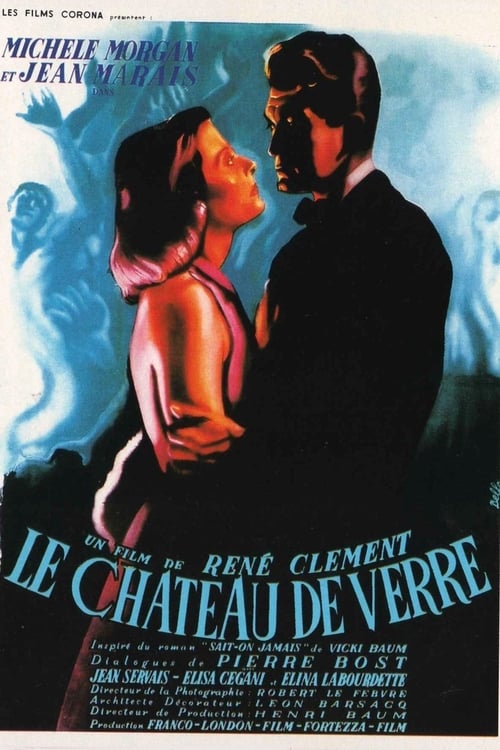
The Glass Castle
1950
No user ratings available yet
Representation score: 2.9 out of 10
Representation Score
Limited
1949
ApprovedDirector
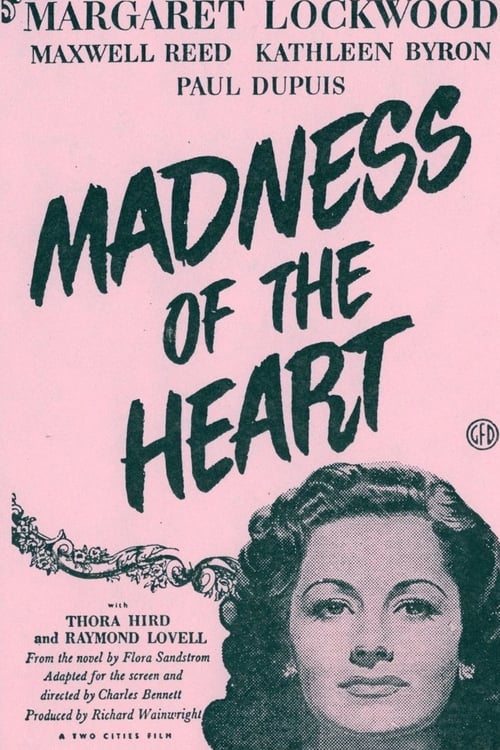
Charles Bennett
Runtime
91 minutes
Average Rating
No ratings yetNew Showbiz Analysis
Madness of the Heart is a psychological drama set in a specific historical period, reflecting the demographics of its time. The film excels in providing deep character development, especially through the lens of physical disability and female psychology. However, the film's narrative is rooted in traditional Western social structures and romantic clichés, lacking broader diversity. Its narrow focus on European aristocracy and straight-centered relationships limits its inclusivity. Overall, while the film offers meaningful representation of disability and female psychology, it falls short in terms of racial, ethnic, and LGBTQ+ diversity.
Category Breakdown
The film centers on a traditional romantic relationship between a man and a woman, adhering to the social norms of the 1940s without exploring non-straight identities.
The narrative focuses on the protagonist's internal world and emotions, highlighting her psychological journey. Despite her emotional depth, her actions remain constrained within a patriarchal society.
The cast primarily features white actors, reflecting the homogeneous social structures of the 1930s aristocracy. There is no indication of racial diversity or non-Anglo-Saxon casting.
The story unfolds within the context of traditional Western romantic drama, set in a French chateau among upper-class characters. It does not emphasize secular themes or challenge Western institutions.
The protagonist's blindness is a key element of the story, serving as a lens for psychological tension rather than just a symbolic device. This disability adds depth to the narrative's psychological stakes.
Present on Screen
Limited or Absent
Official Synopsis
A blind Englishwoman weds a French nobleman and moves into his family's chateau, but she quickly realizes someone there wants her out of the way.
1950
1938
1927
1952
1937

1945
1928
1954
No reviews yet. Be the first to share your thoughts on this movie!
Use the rating form above to leave a star rating and optional review.