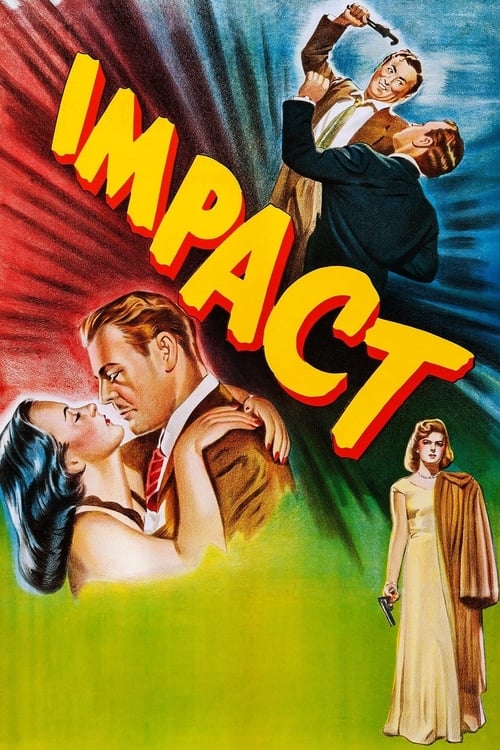
Impact
1949
No user ratings available yet
Representation score: 1.4 out of 10

Representation Score
Limited
1947
ApprovedDirector
Vincent Sherman
Runtime
109 minutes
Average Rating
No ratings yetNew Showbiz Analysis
The film contrasts its era's social constraints with progressive narrative elements. While it lacks LGBTQ+ or disability representation, it challenges the mid-century domestic archetype by emphasizing a woman's desire and ability to act. The film's strength lies in its treatment of gender, where the female protagonist actively drives the plot. This stands in stark contrast to the passive female roles common in 1940s cinema. However, the film remains limited in its portrayal of racial diversity, focusing primarily on white, straight-centered social structures.
Category Breakdown
The film does not depict any non-straight relationships or same-sex intimacy. The story focuses solely on heterosexual infidelity.
The film challenges traditional gender roles by giving the female protagonist significant control over the plot. She drives the story through her pursuit of an extramarital affair, rather than being a passive figure.
The cast is mostly white and uniform, reflecting the limitations of 1947 Hollywood. There is a lack of meaningful racial or ethnic diversity among the main characters.
The film questions the sanctity of traditional Western family life by focusing on adultery. It delves into moral relativism and the psychological impact of breaking social norms.
There are no visible or invisible disabilities portrayed as central to the character arcs or narrative development.
Present on Screen
Limited or Absent
Official Synopsis
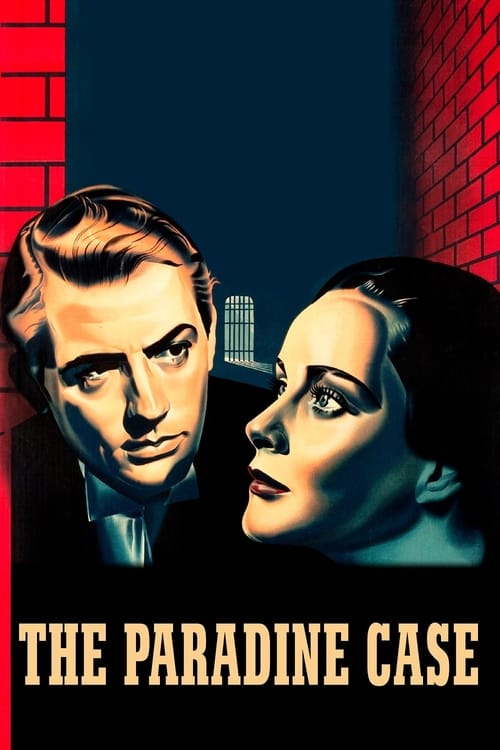
Christine Hunter kills an intruder and tells her husband and lawyer that it was an act of self-defense. It's later revealed that he was actually her lover and she had posed for an incriminating statue he created.
1949
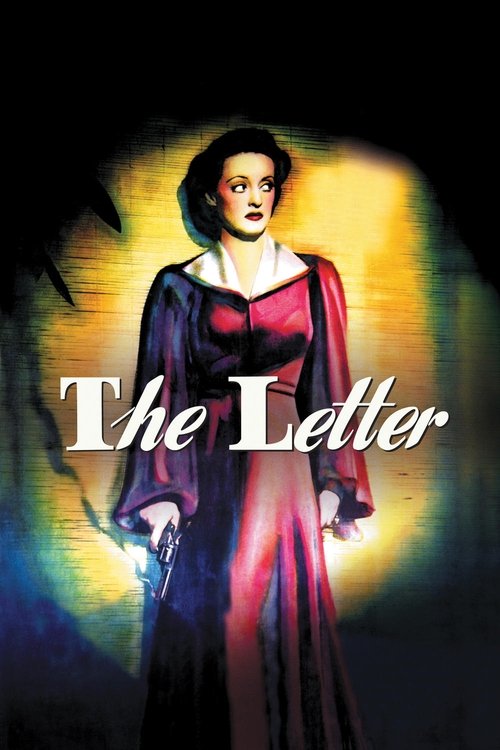
1940
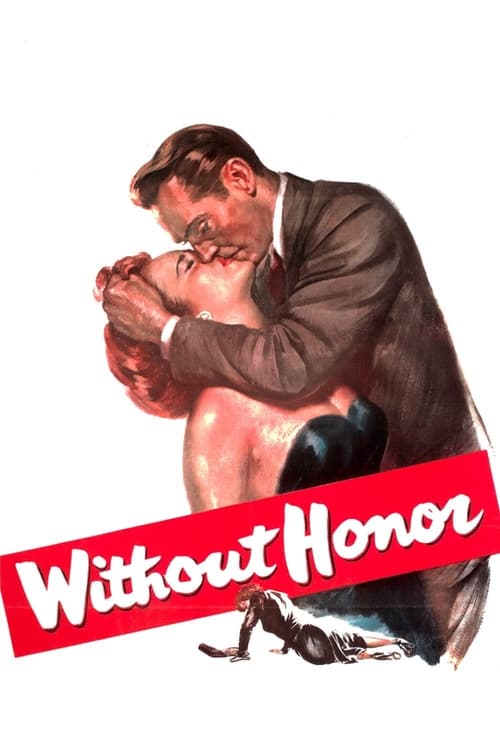
1949
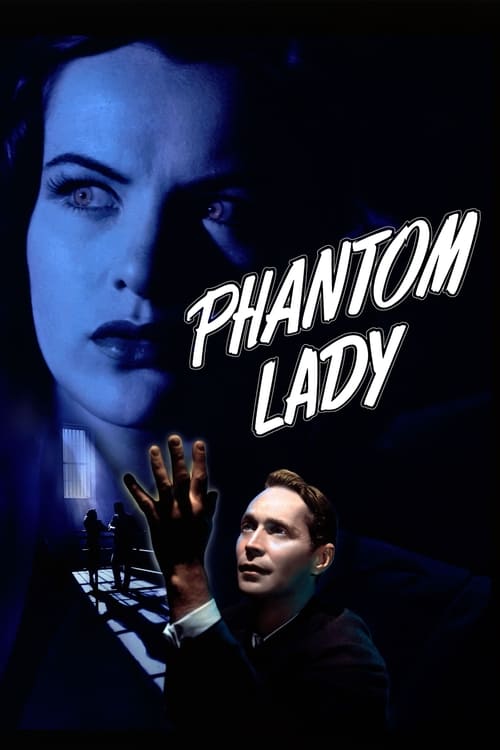
1944
1974
1947

1949

1944
No reviews yet. Be the first to share your thoughts on this movie!
Use the rating form above to leave a star rating and optional review.