The Phantom in the House
1929
No user ratings available yet
Representation score: 0.4 out of 10
Representation Score
Limited
1934
PassedDirector
Dorothy Davenport
Runtime
66 minutes
Average Rating
No ratings yetNew Showbiz Analysis
The film operates as a conventional 1930s crime drama, emphasizing a traditional mystery arc rather than social disruption. While it deviates from the era's typical male-only investigative focus by centering on female characters, it remains confined to the period's limited demographic range. Gender representation stands out as the most notable aspect, with the narrative's emotional and legal stakes tied closely to women's experiences. However, the absence of racial diversity and LGBTQ+ narratives limits the overall score. Overall, the film reflects the production standards of its time, providing a moderate level of female-centric plot ability to act without challenging broader social hierarchies or multi-layered identities.
Category Breakdown
The film does not include any explicit references to LGBTQ+ identities or non-straight relationships. The story revolves around a traditional mystery involving a radio star and a young woman.
Women play central roles in driving the main conflict, both as victims and accused parties. Despite a male reporter leading the investigation, the plot hinges on the legal and emotional stakes faced by women.
The film seems to follow the typical casting practices of 1930s Hollywood, showing no significant racial diversity or non-Anglo-Saxon majority representation.
The story examines the tension between personal innocence and societal judgment, subtly questioning how social consensus can unfairly assign blame to individuals.
There is no information available regarding the portrayal of physical or neurodivergent disabilities in this film.
Present on Screen
Limited or Absent
Official Synopsis
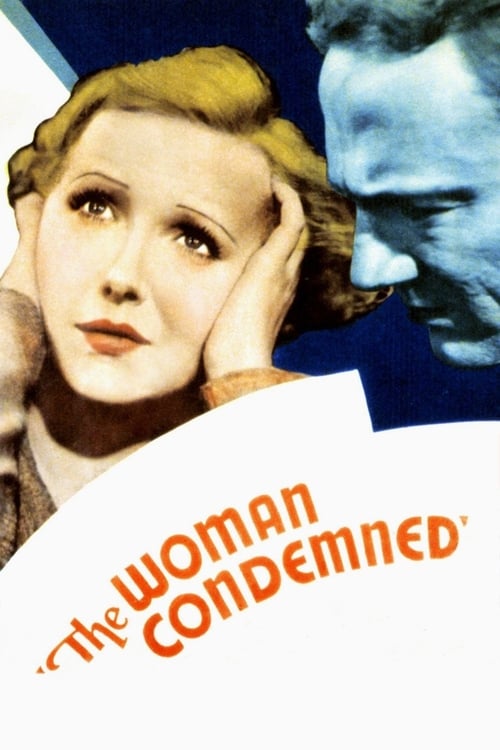
When a radio star is found murdered in her home, everyone assumes that the mysterious young woman discovered with her is the culprit — everyone, that is, but newspaper reporter Jerry Beall, who sets out to prove her innocence.
1929

1930
1935

1940
1933
1944
1937
1937
No reviews yet. Be the first to share your thoughts on this movie!
Use the rating form above to leave a star rating and optional review.