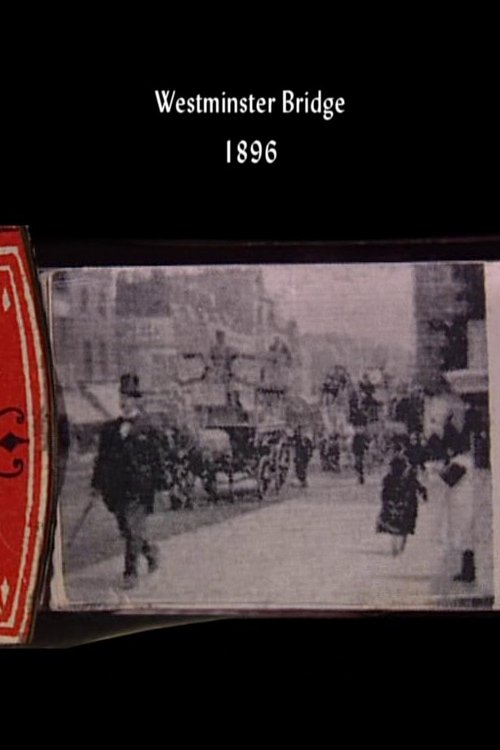
On Westminster Bridge
1896
No user ratings available yet
Representation score: 0.6 out of 10
Representation Score
Minimal
1896
Director
Auguste Lumière, Louis Lumière
Runtime
1 minutes
Average Rating
No ratings yetNew Showbiz Analysis
Pont de Westminster is a foundational technical document rather than a narrative film. Its primary purpose was to demonstrate motion through the 'actualité' genre, which prioritizes unadorned observation over social commentary. Because the work focuses on a brief snapshot of a landscape, it lacks intentional character development. The low diversity scores reflect the absence of ability to act and the era's standard social visibility rather than active exclusion. Ultimately, the film provides a historical record of a Western setting, capturing the period's demographic realities without the complexity needed to address modern themes of identity or social justice.
Category Breakdown
The film does not include any LGBTQ+ characters or narratives. It focuses on a brief observational study of a landscape without exploring identity-based stories.
The film features gendered figures in the crowd, offering a glimpse into 19th-century public life. However, it does not challenge traditional social hierarchies due to its lack of narrative structure.
The footage captures the diverse demographics of 1896 London. While various individuals appear, there is no intentional focus on ethnic identity or individual ability to act.
The film presents a neutral observation of a Western urban landmark. It functions as a historical document without engaging in religious or political critique.
The film does not feature any characters with visible or invisible disabilities. Its observational style does not allow for the nuanced representation of physical or neurodivergent identities.
Present on Screen
Limited or Absent
Official Synopsis
View of the Westminster Bridge.
1896
1896
1896

1897
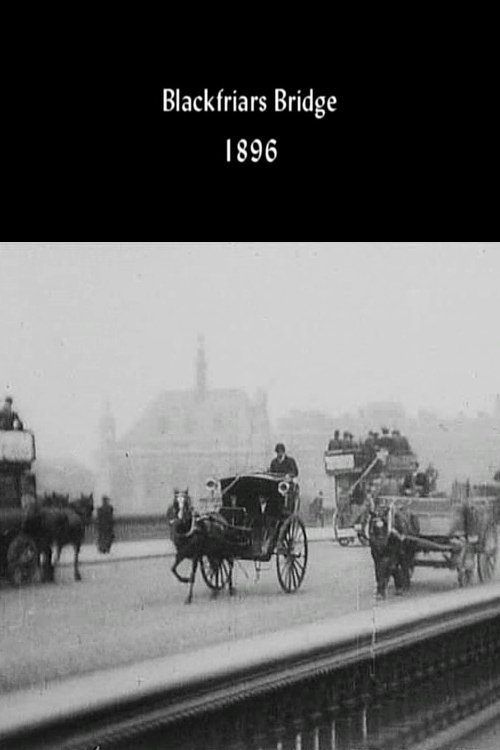
1896
1900
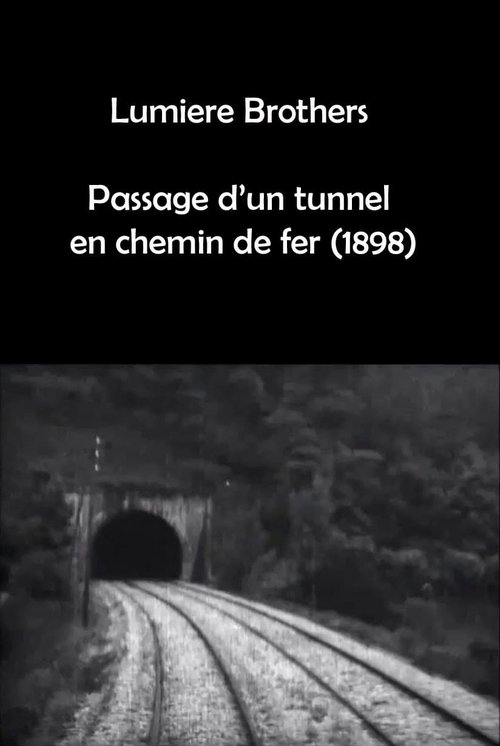
1898
1896
No reviews yet. Be the first to share your thoughts on this movie!
Use the rating form above to leave a star rating and optional review.