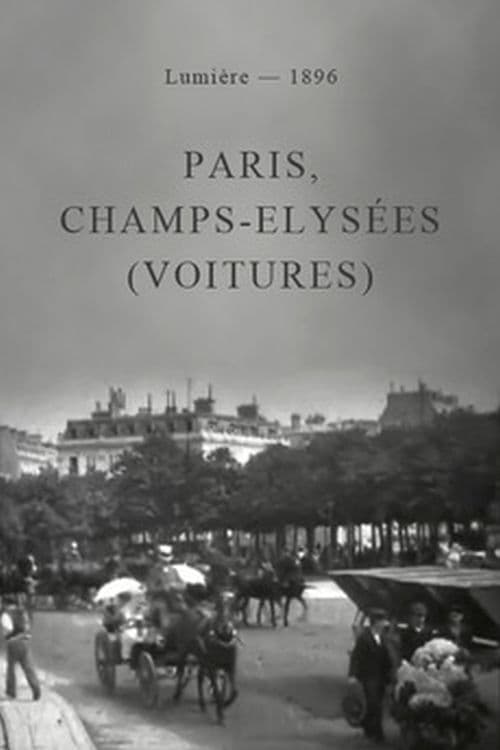
Paris, Champs-Elysées (voitures)
1896
No user ratings available yet
Representation score: 0.2 out of 10
Representation Score
Minimal
1896
Director
Auguste Lumière, Louis Lumière
Runtime
1 minutes
Average Rating
No ratings yetNew Showbiz Analysis
This film focuses on documenting the movement of people in a public space without constructing detailed identities. It serves as a historical record of urban life in the late 19th century. The film lacks a narrative structure and does not aim to address contemporary standards of representation. Instead, it offers a straightforward, traditional view of European urban life.
Category Breakdown
The film captures a public space without showing any character development or hints of LGBTQ identities.
Women are visible in the crowd but are shown as passive elements without any significant role in the story.
The film primarily features white European subjects, lacking visible representation of non-white individuals.
The film observes urban life without engaging with or challenging the cultural norms of the time.
There is no evidence of characters with disabilities being portrayed with specific roles or significance.
Present on Screen
Limited or Absent
Official Synopsis
Pedestrian, trams, carriages and carts traffic at the intersection of two streets on La Canebière in Marseille.
1896

1927
1895
1895
1896
1897
1896
1897
No reviews yet. Be the first to share your thoughts on this movie!
Use the rating form above to leave a star rating and optional review.