
Champs-Élysées
1896
No user ratings available yet
Representation score: 0.6 out of 10
Representation Score
Minimal
1896
Director
Auguste Lumière, Louis Lumière
Runtime
1 minutes
Average Rating
No ratings yetNew Showbiz Analysis
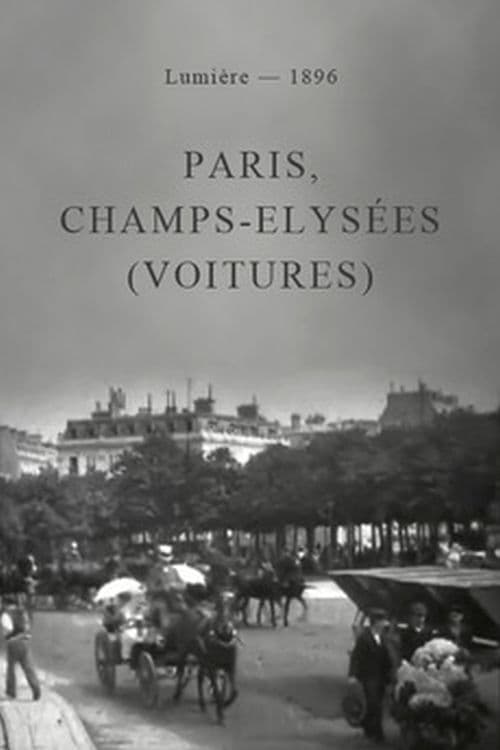
As a foundational piece of early cinema, this actualité functions as a historical record of Parisian infrastructure rather than a narrative work. It captures the transition from horse-drawn carriages to automobiles, focusing on movement and transit. Because the film is a non-narrative documentary, it lacks the character development and structural complexity necessary for social or cultural discourse. It serves as a snapshot of a specific moment in time rather than a medium for intentional representation. The low diversity scores reflect the era and genre. The footage provides a glimpse of late 19th-century urban life without addressing overlapping identities or social hierarchies.
Category Breakdown
The film is a brief observational study of a public thoroughfare. It contains no evidence of LGBTQ identities or non-binary gender expressions.
The footage lacks specific character studies or discernible gender dynamics. There is no intentional subversion of gender hierarchies or focused portrayal of women's roles.
The film depicts a standard Parisian street scene of the era. It reflects the homogeneous social environment typical of late 19th-century Western urban centers.
The work documents Western technological progress and industrial advancement. It does not engage with subjective morality or critiques of Western institutions.
There are no visible or invisible disabilities portrayed with real depth. The film's limited scope prevents meaningful representation in this category.
Present on Screen
Limited or Absent
Official Synopsis
Traffic of pedestrians and horse-drawn carriages; passage of a steam-powered wagon pulling a tipper.
1896

1927

1896

1897
1895

1897
1898

1896
No reviews yet. Be the first to share your thoughts on this movie!
Use the rating form above to leave a star rating and optional review.