Londres, Piccadilly Circus
1896
No user ratings available yet
Representation score: 1.8 out of 10
Representation Score
Minimal
1896
Director
Charles Moisson
Runtime
1 minutes
Average Rating
No ratings yetNew Showbiz Analysis
As a foundational documentary from 1896, this film prioritizes capturing technological novelty and urban movement over social storytelling. The focus remains strictly on the facade of the Cinematographe and the surrounding street traffic in London. Due to the medium's infancy, there is no narrative complexity or character's ability to drive the story to facilitate meaningful representation. The film acts as a snapshot of a specific historical moment rather than a vehicle for identity-based commentary. Ultimately, the low diversity scores reflect the era's technical constraints and the film's primary objective of documenting architecture and motion.
Category Breakdown
The film does not include any LGBTQ+ characters or non-cisgender identities. It focuses on capturing urban traffic without addressing identity issues.
Women are shown as passive subjects within the late 19th-century London streetscape. The footage lacks narrative depth to challenge or reinforce specific gender hierarchies.
The visual record reflects the homogeneous urban population of the Victorian era. There is no evidence of intentional racial diversity or a non-white majority.
This work functions as a historical artifact of Western urbanism. It captures established institutions like the Empire Theatre without engaging diverse cultural themes.
The brief, observational nature of the footage provides no identifiable evidence regarding the portrayal of visible or invisible disabilities.
Present on Screen
Limited or Absent
Official Synopsis
The facade and the traffic in front of the Cinematographe in London, close to the large ensign of the historical Empire Theatre, in London.
1896
1890
1896
1896
1896
1896
1897
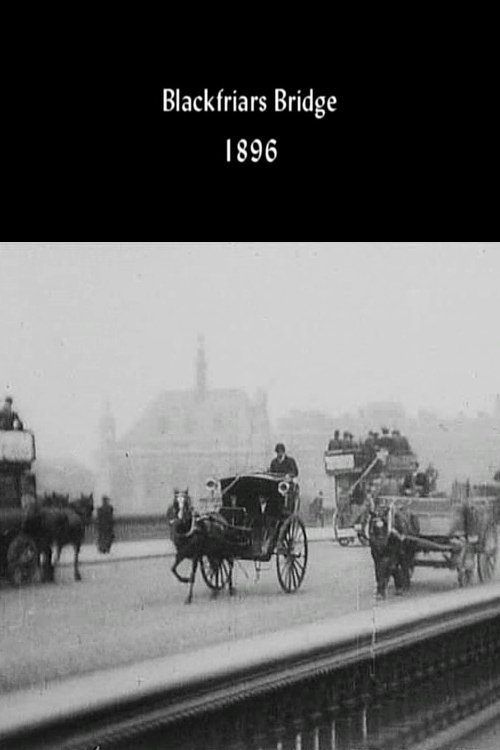
1896
No reviews yet. Be the first to share your thoughts on this movie!
Use the rating form above to leave a star rating and optional review.